

Filter By Category
Archives
Share on -


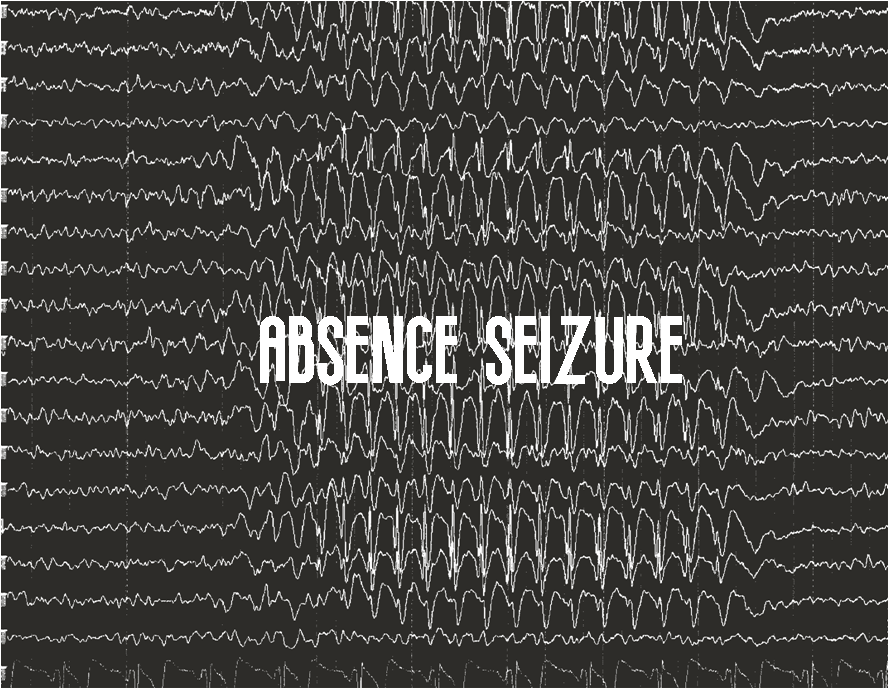
ABSENCE SEIZURE
ABSTRACT -
Absence Seizure is losing awareness for a short period of time. It occurs due to quick abnormal electrical activity in both the sides of brain at the same time. It is more found in children than adults. Patient with this disorder stares with a blank look, also known as petit mal seizures. It is misinterpreted as daydreaming or inattention. It might cause true convulsions in which a person collapses and gets hyper.
CAUSES -
Causes of Absence Seizures are unclear but it can be caused by:
- Genetic factors
- Rapid breathing can trigger this seizure
- Abnormal electrical signals in brain
- Altered levels of neurotransmitters
SIGNS AND SYMPTOMS -
- Primary symptom is staring blank into the space
- Sudden halt while doing activity
- Lip smacking
- Abnormal gestures or slow movements in hands
- Eyelid twitching
- No memory of incidents happened
- Decline in child’s learning ability
DIAGNOSIS -
- EEG – Brain waves are transmitted into EEG machine to measure waves of electrical activity in the brain. By provoking seizure, it can assess absence seizure patterns
- Brain Scans
- Well written description having observations about what happened during seizures might help in good diagnosis
TREATMENT -
- It can be treated with Anti-seizure medicines containing Ethosuximide, Valproic acid, Lamotrigine, Divalproex Sodium.
- Seizures might go away by the age of 18 in some children, then there is no medication required as an adult. However, it can also be long-term medications in some cases.
RISK FACTORS -
- Age: Mostly in children of age 4-10 years
- Gender: It is more common in girls than boys
- History of Family Members: Chances are more if its hereditary
EPIDEMIOLOGY -
The incidence is estimated at 0.7 to 4.6 per 100,000 in the general population and around 6 to 8 per 100,000 in the pediatric population (children aged 0-15 years).
Share on -


 . Developed by