

Filter By Category
Archives
Share on -


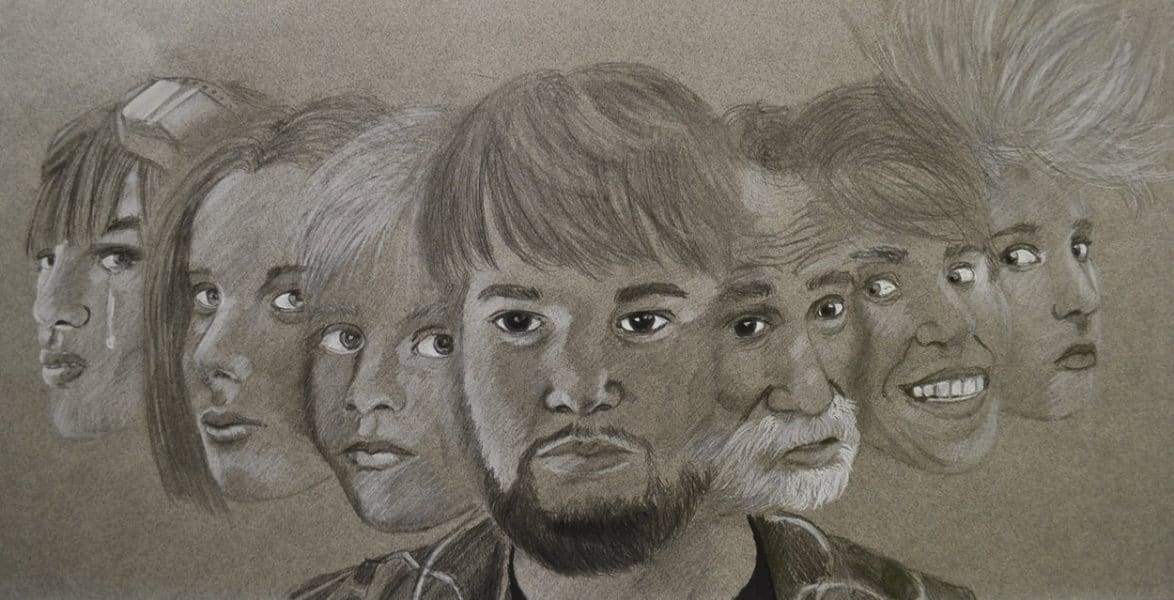
DISSOCIATIVE IDENTITY DISORDER
ABSTRACT -
Dissociative Identity Disorder was previously known as multiple personality disorder. It is a mental illness which includes disruptions and breakdown between thoughts, memories, surroundings, awareness, perceptions and identity. It develops one or more alternate personalities without any awareness of one’s own behavior and thereby affects the functioning in day-to-day life.
CAUSES -
- Excessive stress and not able to cope well with emotional or professional stress
- Shocking incident during natural disaster
SIGNS AND SYMPTOMS -
- Lapses in memory and headache
- Disconnected or detached feel from own-self
- Perception seems to be distorted and unreal
- Excessive stress
- Depression, anxiety, and mood swings
- Suicidal thoughts and behavior
- Sleep disorders such as insomnia, night terrors, and sleep walking
- Panic attacks and phobias
- Alcohol and drug abuse
- Schizophrenia and other severe mental illnesses
DIAGNOSIS -
- Physical examination
- Psychiatric examination regarding individual’s thoughts, feelings and behavior
- DSM-5 (Diagnostic and Statistical Manual of Mental Disorder) – It provides criteria for diagnosis to compare with the symptoms.
TREATMENT -
- Psychotherapy: Counseling for mental illness
- Antidepressants, anti-anxiety medications
- Cognitive – Behavioral therapy: It focuses on changing dysfunctional thinking patterns, feelings, and behaviors.
- Eye Movement Desensitization and Reprocessing (EMDR)
- Dialectical Behavior Therapy (DBT)
- Creative therapies like art therapy, music therapy
- Meditation and relaxation techniques
- Clinical hypnosis
PREVENTION –
- The condition can be prevented by minimizing the exposure to traumatic events and reducing stress.
EPIDEMIOLOGY -
- This condition can occur at any age but females are more prone to get affected from Dissociative Identity Disorder than males.
Share on -


 . Developed by