

Filter By Category
Archives
Share on -


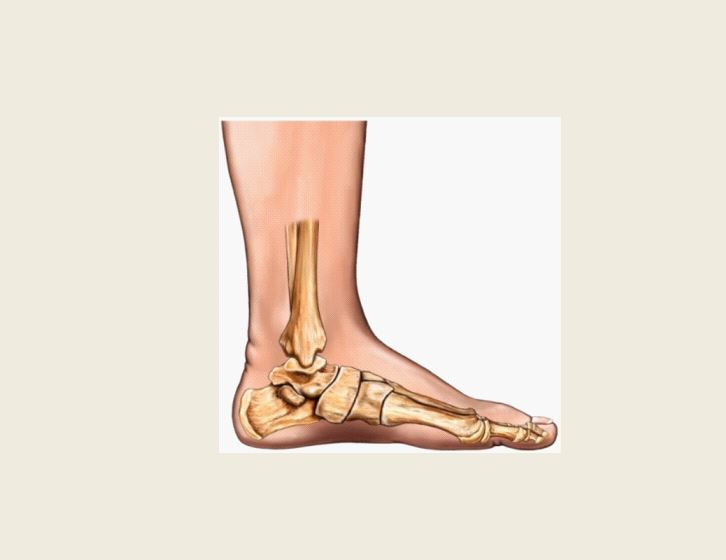
FLAT FEET
ABSTRACT -
Flat Feet is also known as Pes Planus, a deformity in which the feet is in complete contact with the ground. This condition might occur at the tie of birth or develop as the age increase. Due to the deformed alignment of the leg, problem to the ankles and knees arises.
CAUSES -
It can affect children because of the under developed arches:- Genetic disorders such as Calcaneovalgus, Congenital vertical talus, Dyspraxia, Ehlers-Danlos Syndrome, Hypermobility, Ligamentous Laxity
- Obesity
- Leg length inequality
- Pregnancy
- Marfan's syndrome – It is a genetic disorder which affects connective tissues.
- Rheumatoid Arthritis
- Scoliosis – Unilateral Flat Footedness
SIGNS AND SYMPTOMS -
- Pain in the mid-foot region
- Hip, knee and lower back pain
- Swollen inside feet’s bottom
- Standing on toes becomes difficult
DIAGNOSIS -
- Visual Examination
- Wet Foot Print Test – The print of the wet feet is taken on a plain surface
- Shoe Inspection Test
- The ‘Too Many Toes’ Test – The number of toes which are peeking out is counted by standing behind the patient
- The tiptoe test – Used to check whether one has flexible or rigid flat feet
- Imaging Tests – X-Ray, CT Scan, Ultrasounds, MRI
TREATMENT -
- Foot gymnastic
- Runner’s stretch – Used to stretch calf muscle
- Downward dog – A yoga position
- Therapeutic massages
- Custom made insoles
- Surgery – Flat foot surgery
- Weight loss
PREVENTIONS-
- Wear appropriate shoes
- Control the blood sugar levels, high blood pressure, obesity
- Avoid activities that involves stress on the feet
- Avoid sports such as basketball, hockey, soccer etc
RISK FACTORS –
- Obesity
- Leg injury
- Rheumatoid Arthritis
- Aging
- Diabetes
EPIDEMIOLOGY -
- Out of the total population, about 30% of the people have flat foot.
Share on -


 . Developed by