

Filter By Category
Archives
Share on -


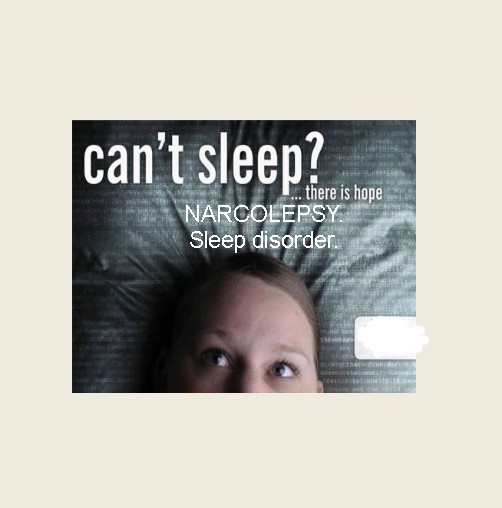
NARCOLEPSY
ABSTRACT -
Narcolepsy, sometimes considered as hypersomnia is a sleep disorder which makes a person have excessive daytime sleepiness and improper sleep at night. A person suffering from narcolepsy lose a control over the sleep and can sleep anytime and anyplace irrespective of any circumstances which results in a severe disturbance in day to day routine and lifestyle.
Types :- Type 1 Narcolepsy with cataplexy i.e. muscle weakness
- Type 2 Narcolepsy without cataplexy i.e. excessive sleep at daytime
CAUSES -
- Genetics
- Brain diseases
- Autoimmune diseases such as Rheumatoid Arthritis, Type 1 Diabetes and Celiac Disease
- Unavailability of hypocretin hormone which helps in staying awake
SIGNS AND SYMPTOMS –
- Excessive daytime sleepiness
- Hallucinations
- Sleep paralysis – Inability to move or speak while sleeping or waking up
- Sleep attacks
- Variations in Rapid Eye Movement (REM) sleep
COMPLICATIONS –
- Obesity
- Vulnerable to physical harm such as road accidents while driving, sleeping while cooking etc
- Problematic life at personal and professional level
DIAGNOSIS –
- Physical Examination
- Polysomnography – To test variety of signals during sleep
- Multiple Sleep Latency Test – To test the time a person takes to sleep
- Review of sleep history
- Maintain a sleep record
TREATMENT –
- Prescribed Medications like antidepressants and stimulants
RISK FACTORS –
- Genetics and Family history
PREVENTION –
- Scheduled sleep
- Exercise regularly
- Avoid alcohol and nicotine consumption
- Avoid caffeine intake later at night
- Maintain a healthy diet
- Avoid daytime naps
EPIDEMIOLOGY –
- It had been estimated that the type 1 narcolepsy has a prevalence rate of 25 to 50 per 100000 people and type 2 narcolepsy has 20 to 34 per 100000 population.
- This disease is tend to appear in teenage of early twenties and thirties and are equally common in both males and females.
Share on -


 . Developed by