

Filter By Category
Archives
Share on -


OVARIAN CYST
ABSTRACT -
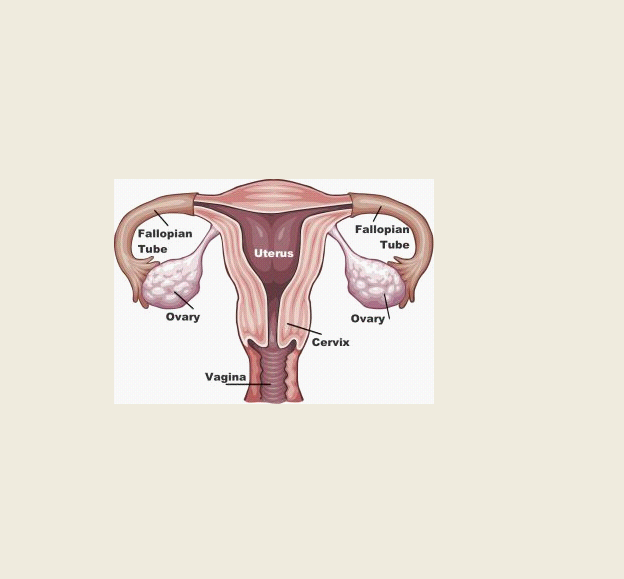
Ovarian Cyst occurs when fluid accumulates in the thin membranes of an ovary which looks like small sacks or pockets. It is different from abscess which is filled with pus. However, cysts are filled with harmless fluid. Cyst can appear at any age but mostly occurs during reproductive years. Sometimes, it doesn’t show any symptom or problem but it can cause serious medical issues in later stages.
CAUSES -
- Follicular Cyst: Egg formation takes place in follicle which contains fluid to protect the growing eggs. It releases the egg into fallopian tube. Formation of the cyst begins when the follicle does not rupture or release its egg.
- Corpus Luteum Cyst: It occurs when follicle gets filled with estrogen and progesterone hormone or blood after egg is released.
- Dermoid Cyst (Cystic Teratomas): This cyst is formed from the cells which make eggs and requires surgery to get removed.
- Cystadenomas: It is filled with watery or thick-mucus substance.
- Endometriomas: It is a condition in which uterine endometrial cells grow outside the uterus.
SIGNS AND SYMPTOMS –
- Abdominal or pelvic pain
- Irregular and painful menstruation
- Pain during sexual intercourse
- Bowel issues
- Severe pain with fever and vomiting
- Abdominal and urinary problems
- Heaviness in the abdomen
- Bloating
COMPLICATIONS –
- Ovarian Torsion
- Rupturing or bursting of cyst
- Ovarian Cancer
DIAGNOSIS –
- Pelvic Ultrasound
- Pregnancy Test
- Laparoscopy
- CA 125 Blood Test
- Biopsy
TREATMENT –
- Medications such as birth control pills to prevent cysts from recurring however, it cannot shrink the existing cysts
- Surgery
- Cancer treatment: If the cysts are cancerous
RISK FACTORS –
- Hormonal imbalance
- Pregnancy
- Endometriosis
- Pelvic infection
- History of ovarian cyst
EPIDEMIOLOGY –
- Around 7% of women gets affected with ovarian cyst at some point in their lives at global level.
- Estimation shows that around 8% of women are suffering from premenopausal ovarian cyst and 18% women are suffering from postmenopausal ovarian cyst.
Share on -


 . Developed by