

Filter By Category
Archives
Share on -


RHEUMATIC FEVER
ABSTRACT -
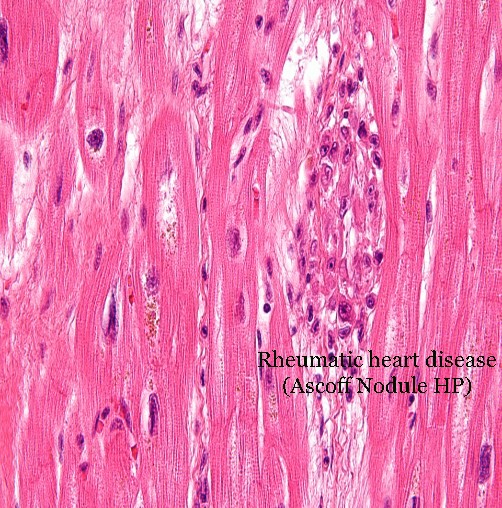
Rheumatic fever is an inflammatory condition which occurs as a complication when streptococcal infection is not treated properly such as strep throat and scarlet fever. Not everyone with streptococcal infection gets affected with Rheumatic Fever but it increases the chances of getting it if left untreated. It can develop in children or younger adults which can lead to permanent damage in the heart.
CAUSES -
- Group A streptococcus infections
- Low immunity
- Auto-immune conditions
- Genetic factors
SIGNS AND SYMPTOMS –
- High Fever
- Painful, swollen, red and tender joints mostly includes knees, ankles, elbows and wrists
- Small and painless nodules beneath the skin
- Sore throat
- Chest pain
- Skin rash
- Swollen tonsils
- Nausea and vomiting
- Heart Murmur (sound of blood flowing through the heart)
- Abdominal pain
- Fatigue
- Jerks or uncontrollable body movements
COMPLICATIONS –
- Valve Stenosis: Narrow valve reduces blood flow
- Valve Regurgitation: Flow of blood in the wrong direction
- Damage to the heart muscle
- Heart failure
- Atrial Fibrillation: Abnormal heart rhythm due to lack of co-ordination in upper and lower chambers of the heart.
DIAGNOSIS –
- Physical examination
- Medical history of the patient
- Electrocardiogram
- Echocardiography
- Blood test
TREATMENT –
- Medications such as Antibiotics, Anti-inflammatory drugs, Corticosteroids, Anticonvulsants
RISK FACTORS –
- Family history
- Strains of streptococcal bacteria
- Environmental factors like overcrowding, poor sanitation and lack of access to healthcare facilities
PREVENTIONS –
- Prompt treatment of strep throat infections and scarlet fever
EPIDEMIOLOGY –
- 2.4 million children suffer from Rheumatic Heart Disease (RHD) worldwide.
- Annually, around 3,30,000 children with age group of 5-14 years are suffering from Acute Rheumatic Fever on a global level.
Share on -


 . Developed by