

Filter By Category
Archives
Share on -


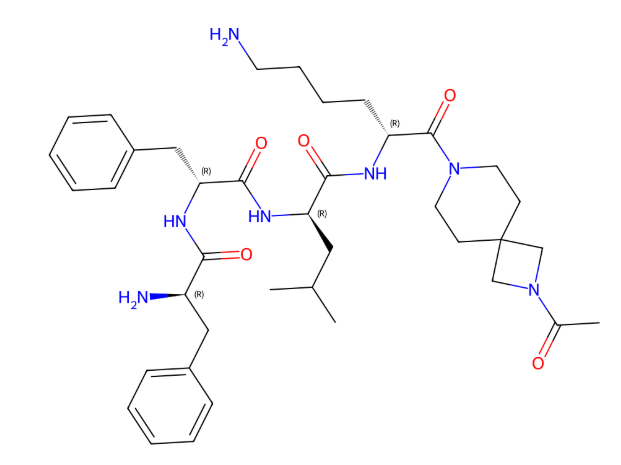
ANRIKEFON
Generic Name: ANRIKEFON
ABSTRACT -
Anrikefon (HSK21542) is a selective kappa-opioid receptor agonist designed to act mainly outside the central nervous system. It has been developed for postoperative analgesia and chronic kidney disease-associated pruritus. Peripheral restriction is intended to preserve analgesic and antipruritic activity while limiting central opioid effects. Availability and approved indications vary by country.
DOSAGE –
-
-
Use must follow the locally approved product information or a registered clinical protocol. In a phase 3 haemodialysis-pruritus study, intravenous anrikefon 0.3 microgram/kg was administered three times weekly for 12 weeks. Postoperative-pain studies used different intravenous regimens; these research regimens should not be substituted for approved prescribing instructions.
-
SIDE EFFECTS –
- Nausea
- Vomiting
- Dizziness or headache
- Fever or postoperative pyrexia
- Constipation or gastrointestinal discomfort
- Injection-related discomfort
(These symptoms may indicate a serious allergic or infusion reaction and require medical attention.)
- Rash, hives, or generalized itching
- Swelling of the face, lips, tongue, or throat
- Wheezing, breathing difficulty, or sudden hypotension
- Severe infusion or injection reaction
DRUG INTERACTIONS –
-
- Additive sedation may occur with centrally acting opioids, sedatives, or alcohol
- Concomitant medicines that lower blood pressure may increase dizziness or hypotension
- Formal interaction studies remain limited; review all perioperative and dialysis medicines
PRECAUTIONS –
- Administer only by trained healthcare professionals when parenteral use is intended
- Monitor pain or itch response, consciousness, blood pressure, and respiratory status
- Use caution in severe hepatic disease and in medically unstable patients
- Pregnancy, breastfeeding, and paediatric safety require indication-specific guidance
WARNINGS –
- Do not extrapolate a clinical-trial dose to another indication
- Opioid-related adverse effects can still occur despite peripheral restriction
- Seek urgent care for respiratory difficulty, severe hypotension, or hypersensitivity
Share on -


 . Developed by