

Filter By Category
Archives
Share on -


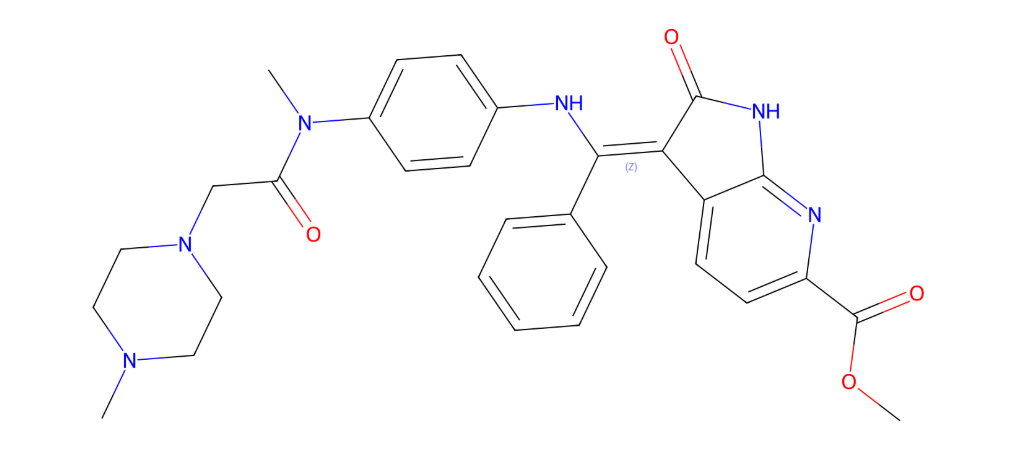
ANSORNITINIB
Generic Name: ANSORNITINIB
ABSTRACT -
Ansornitinib (ANG-3070) is an investigational, orally administered multi-target receptor tyrosine kinase inhibitor developed for antifibrotic activity. Reported targets include discoidin domain receptors and platelet-derived growth factor receptors, with additional activity against vascular endothelial growth factor receptor pathways. Clinical development has focused on chronic kidney and fibrotic disorders.
DOSAGE –
-
-
No approved standard dosage has been established. Oral dose, schedule, treatment duration, food instructions, and dose modifications must be taken only from the applicable clinical-trial protocol. Animal-study doses are not clinically interchangeable and must not be used for human treatment.
-
SIDE EFFECTS –
- Nausea, diarrhoea, or abdominal discomfort
- Fatigue or weakness
- Headache or dizziness
- Peripheral oedema
- Blood-pressure elevation
- Liver-enzyme or other laboratory abnormalities
ALLERGIC REACTIONS –
(These symptoms may indicate a serious allergic or infusion reaction and require medical attention.)
- Rash or hives
- Facial, lip, tongue, or throat swelling
- Breathing difficulty or wheezing
- Severe blistering or mucosal reaction
DRUG INTERACTIONS –
- Interaction profile is not fully characterized because the drug remains investigational
- Other kinase inhibitors or medicines affecting blood pressure may increase toxicity
- Hepatic enzyme inhibitors or inducers may alter exposure; follow the study protocol
- Anticoagulants or antiplatelet drugs require protocol-directed assessment
PRECAUTIONS –
- Check blood pressure, blood counts, renal function, and liver tests as specified
- Assess oedema, bleeding risk, wound healing, and cardiovascular history
- Use effective contraception according to the study protocol
- Avoid use outside an authorized clinical study or approved access programme
WARNINGS –
- Potential class risks include hypertension, bleeding, thrombosis, and impaired wound healing
- Serious hepatic, cardiovascular, or haematologic toxicity requires prompt evaluation
- There is no established pregnancy or breastfeeding safety profile
Share on -


 . Developed by