

Filter By Category
Archives
Share on -


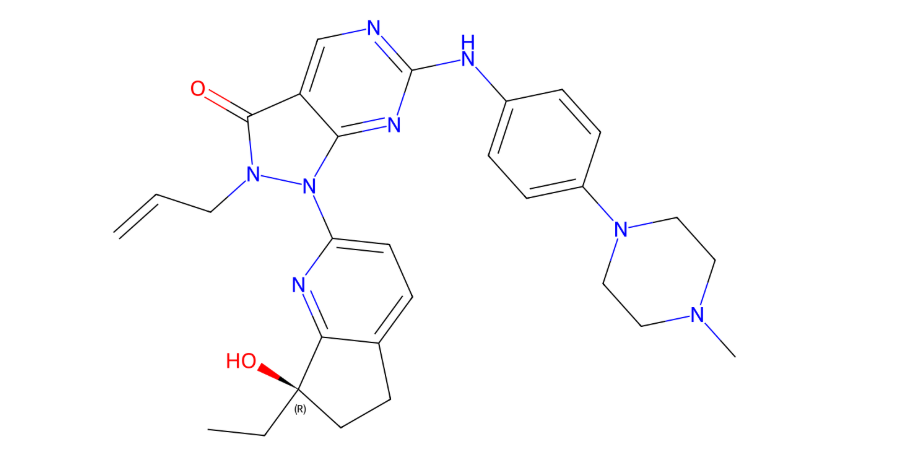
AZENOSERTIB
Generic Name: AZENOSERTIB
ABSTRACT -
Azenosertib (ZN-c3) is a selective oral inhibitor of WEE1, a kinase that restrains entry into mitosis when DNA is damaged. WEE1 inhibition can force tumour cells with high replication stress or defective checkpoints into premature mitosis and cell death. Development is focused on ovarian cancer and other solid tumours, as monotherapy and in combinations.
DOSAGE –
-
-
No approved standard dosage is established. Clinical studies use protocol-specific oral continuous or intermittent schedules, with dose interruptions and reductions based on blood counts and other toxicities. Published trial doses must not be used outside specialist oncology care.
-
SIDE EFFECTS –
- Nausea, vomiting, or diarrhoea
- Fatigue or weakness
- Anaemia
- Neutropenia or reduced white-cell count
- Thrombocytopenia or bleeding tendency
- Reduced appetite or abdominal discomfort
ALLRGIC REACTIONS–
(These symptoms may indicate a serious allergic or infusion reaction and require medical attention.)
- Rash or hives
- Face, lip, tongue, or throat swelling
- Breathing difficulty
- Severe blistering or mucosal reaction
DRUG INTERACTIONS -
-
-
- Other myelosuppressive anticancer agents may increase cytopenias and infection risk
- Other gastrointestinal-toxic therapies may increase dehydration and intolerance
- Metabolic drug interactions remain protocol-specific; review inhibitors and inducers
- Live vaccines may be unsuitable during significant immunosuppression
-
PRECAUTIONS –
- Obtain frequent complete blood counts and chemistry tests
- Assess infection, bleeding, dehydration, and performance status
- Use effective contraception and follow embryo-foetal risk precautions
- Dose changes must be directed by the oncology protocol
WARNINGS –
- Severe neutropenia and serious infection can be life-threatening
- Fever during neutropenia requires urgent medical assessment
- Azenosertib remains investigational and must not be used outside authorized care
Share on -


 . Developed by