

Filter By Category
Archives
Share on -


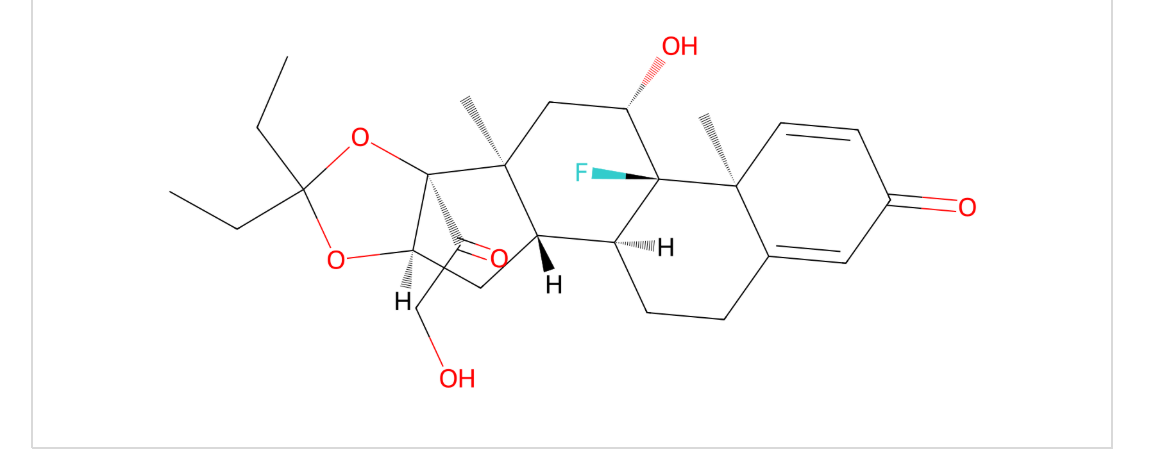
AMCINAFAL
Generic Name: AMCINAFAL
ABSTRACT -
Amcinafal, also known as triamcinolone pentanonide, is a synthetic fluorinated glucocorticoid corticosteroid. It has been described as an anti-inflammatory corticosteroid substance but was not marketed as a therapeutic product.
Like related corticosteroids, its pharmacology is expected to involve glucocorticoid receptor-mediated suppression of inflammatory and immune signaling. Clinical dosing and safety data are limited.
DOSAGE -
Dosage should be determined only by a qualified healthcare professional.
No approved human dosing regimen is established for Amcinafal.
Because it was not marketed, use should be limited to research or reference-standard purposes.
Do not apply topically, inject, or ingest unless part of a legally authorized research protocol.
SIDE EFFECTS–
Potential corticosteroid-class side effects, especially with systemic or potent topical exposure, include:
- Skin thinning, irritation, burning, or dryness
- Delayed wound healing
- Acneiform eruption or folliculitis
- HPA-axis suppression with significant systemic absorption
- Hyperglycemia
- Fluid retention or blood-pressure elevation
- Mood changes or insomnia
- Increased infection risk
- Cataracts or glaucoma with ocular exposure
ALLRGIC REACTIONS–
Hypersensitivity to Amcinafal, related corticosteroids, or excipients is possible.
Symptoms may include:
- Skin rash or hives
- Itching or swelling of the face, lips, tongue, or throat
- Difficulty breathing or chest tightness
- Severe dizziness or fainting
- Unexpected widespread redness, blistering, or peeling skin
Important: Patients who develop an allergic reaction to Amcinafal should seek immediate medical attention and inform all future healthcare providers of the allergy.
DRUG INTERACTIONS–
Specific drug-interaction data are limited. Caution is needed with:
- Other corticosteroids, which may increase systemic steroid exposure
- Strong CYP3A inhibitors if systemic exposure is possible
- Live vaccines or immunosuppressants, due to altered immune response
- Antidiabetic medicines, because corticosteroids may raise glucose
- NSAIDs or anticoagulants if systemic corticosteroid effects occur
Patients should inform healthcare providers about all prescription medicines, over-the-counter medicines, herbal products, and supplements they are using.
PREAUTIONS–
- Avoid use on infected, ulcerated, or damaged skin unless medically supervised.
- Do not use occlusive dressings with potent corticosteroids unless specifically directed.
- Monitor for adrenal suppression if systemic exposure is possible.
- Safety in pregnancy, lactation, and children is not established for this compound.
- Use appropriate laboratory precautions for handling reference material.
WARNINGS –
- Amcinafal is not an approved marketed medicine.
- Unsupervised corticosteroid exposure can cause systemic endocrine and immune effects.
- Avoid ocular exposure.
- Do not use for self-treatment of skin inflammation.
- Keep out of reach of children.
Share on -


 . Developed by