

Filter By Category
Archives
Share on -


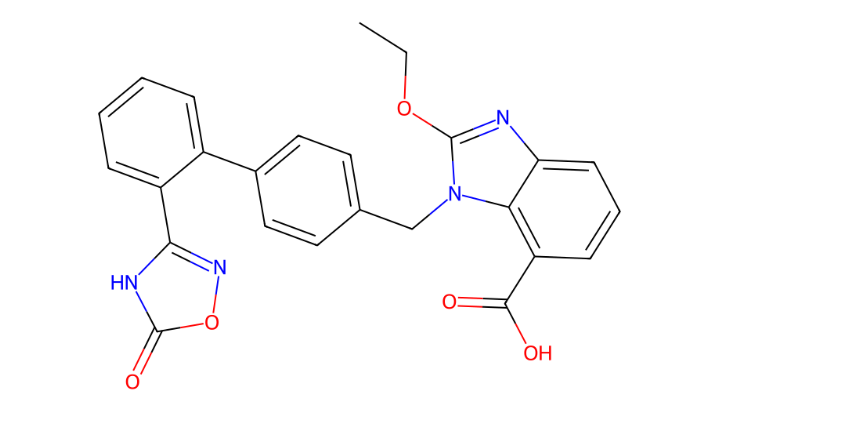
AZILSARTAN
Generic Name: AZILSARTAN
ABSTRACT -
Azilsartan is an angiotensin II type 1 receptor antagonist. The active drug is generated from azilsartan medoxomil during absorption and reduces blood pressure by blocking angiotensin II-mediated vasoconstriction and aldosterone effects. It is mainly encountered clinically as its prodrug/salt products. Molecular formula: C₂₅H₂₀N₄O₅; molecular weight: 456.46 g/mol. Development/regulatory status: Active moiety of approved azilsartan medoxomil products.
This document is for structured API information only. It is not a prescribing guide. Clinical use, if any, must follow the approved local label, trial protocol, and specialist medical supervision.
DOSAGE-
- Use only according to the local approved label and clinician’s prescription.
- Clinically used products are generally formulated as azilsartan medoxomil; the active moiety is azilsartan.
- Dose selection depends on blood pressure, kidney function, volume status, concomitant diuretics, and comorbidities.
- Do not stop antihypertensive therapy without medical advice.
SIDE EFFECTS-
Possible side effects and safety concerns include:
- Dizziness, orthostatic symptoms, fatigue, or headache
- Diarrhoea, nausea, or abdominal discomfort
- Hypotension, especially with volume depletion or diuretics
- Renal-function changes or increased creatinine
- Hyperkalaemia or electrolyte changes
ALLERGIC REACTIONS -
Hypersensitivity to azilsartan or related compounds/products may occur. Symptoms may include:
- Infusion reaction or injection-site reaction where applicable
- Rash or urticaria
- Bronchospasm or breathing difficulty
- Facial, lip, tongue, or throat swelling
- Anaphylaxis
Important: Patients who develop an allergic reaction to azilsartan should seek immediate medical attention and inform all future healthcare providers of the allergy.
DRUG INTERACTIONS-
- Aliskiren is contraindicated or avoided in certain patients, especially diabetes, depending on label.
- ACE inhibitors, other ARBs, potassium supplements, potassium-sparing diuretics, or salt substitutes can increase hyperkalaemia risk.
- NSAIDs may reduce antihypertensive effect and worsen renal function.
- Lithium levels may increase with renin-angiotensin system blockers.
PREAUTIONS–
- Check blood pressure, renal function, and potassium after initiation and dose changes.
- Use caution in renal artery stenosis, severe renal impairment, volume depletion, heart failure, or hepatic impairment.
- Avoid during pregnancy and use appropriate contraception when relevant.
WARNINGS –
- Drugs acting on the renin-angiotensin system can cause fetal injury or death if used during pregnancy.
- Seek medical help for fainting, severe weakness, swelling, reduced urination, or allergic reaction.
- Keep out of reach of children.
Share on -


 . Developed by