

Filter By Category
Archives
Share on -


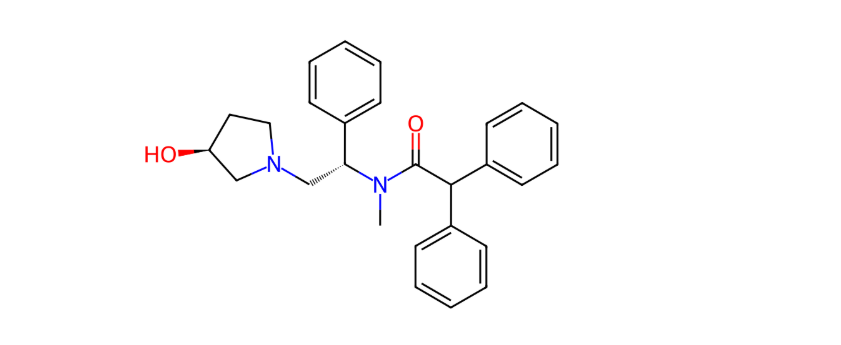
ASIVATREP
Generic Name: ASIVATREP
ABSTRACT -
Asivatrep, also known as PAC-14028, is a topical small-molecule antagonist of the transient receptor potential vanilloid 1 (TRPV1) channel. TRPV1 signaling is involved in itch, neurogenic inflammation, and skin-barrier dysfunction. Asivatrep has been studied for atopic dermatitis, where topical therapy aims to reduce pruritus and inflammation with limited systemic exposure.
DOSAGE -
Use only according to a current local label, study protocol, or dermatologist direction. Investigational cream regimens have used topical application to affected skin for a defined treatment period. Avoid application to infected, broken, or mucosal areas unless directed.
SIDE EFFECTS–
- Possible or reported side effects may include:
- Application-site burning or stinging
- Pruritus
- Erythema
- Dryness or irritation
- Contact dermatitis
- Headache
- Worsening eczema or secondary infection if skin barrier is compromised
ALLERGIC REACTIONS -
Allergic contact dermatitis or systemic hypersensitivity is possible.
Symptoms include spreading rash, hives, swelling, wheeze, or severe skin irritation.
DRUG INTERACTIONS-
- Use caution with:
- Other topical corticosteroids, calcineurin inhibitors, or JAK inhibitors used on the same area
- Occlusive dressings that increase absorption
- Topical irritants, acids, or sensitizing cosmetics
- Patients should inform healthcare providers about all prescription medicines, over-the-counter medicines, herbal products, and supplements they are using.
PREAUTIONS–
- Assess eczema severity, skin infection, allergy history, pregnancy status, and other topical therapies.
- Avoid eye contact and wash hands after application unless treating hands.
- Monitor for worsening dermatitis or infection.
WARNINGS –
- Do not use as the only treatment for severe infected eczema.
- Seek care for extensive rash, swelling, or breathing difficulty.
- Keep out of reach of children.
- In case of overdose, severe reaction, or clinical deterioration, seek immediate medical attention.
Share on -


 . Developed by