

Filter By Category
Archives
Share on -


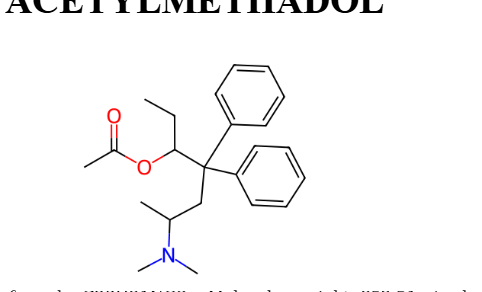
ACETYLMETHADOL
Generic Name: ACETYLMETHADOL
ABSTRACT -
Acetylmethadol, also known as methadyl acetate, is a synthetic opioid analgesic related to methadone. Its levo isomer, levacetylmethadol (LAAM), was historically used in some settings for opioid-dependence maintenance therapy, but use has been limited or discontinued in many jurisdictions because of safety concerns including cardiac rhythm risk. Acetylmethadol is not a routine analgesic for general use and carries the typical serious risks of long-acting opioids, including dependence, overdose, and respiratory depression.
DOSAGE -
Acetylmethadol should only be used where legally authorized and under specialist medical supervision. No general self-use dosage is appropriate.
- Do not use without a prescription and specialist supervision.
- Regulated opioid-dependence programs, where historically used, required individualized dosing and close monitoring.
- Long duration of action can lead to accumulation and delayed toxicity.
- Electrocardiogram and cardiac risk assessment may be required for related long-acting opioid therapies.
- Dose changes should never be made without medical direction.
- Missed doses, relapse, or concurrent sedative use require clinical review rather than self-adjustment.
SIDE EFFECTS –
Reported or potential side effects may include:
- Drowsiness, sedation, or dizziness
- Nausea, vomiting, or constipation
- Sweating
- Dry mouth
- Itching or rash
- Low blood pressure
- Respiratory depression
- QT prolongation or abnormal heart rhythm risk, especially with related long-acting opioid products
- Dependence, withdrawal, misuse, or overdose
- Confusion or impaired coordination
ALLRGIC REACTIONS–
(These symptoms may indicate an allergic reaction to the medicine.)
- Skin rash
- Itching
- Hives
- Swelling of the face, lips, tongue, or throat
- Difficulty breathing or wheezing
- Chest tightness
- Severe dizziness or fainting
- Rapid heartbeat
- Anaphylaxis or severe hypersensitivity reaction
DRUG INTERACTIONS–
Dangerous interactions can occur with:
- Alcohol
- Benzodiazepines, sedatives, hypnotics, or sleep medicines
- Other opioids or illicit substances
- Antipsychotics and other central nervous system depressants
- Medicines that prolong the QT interval
- Strong CYP enzyme inhibitors or inducers that may alter opioid levels
- Monoamine oxidase inhibitors or serotonergic medicines
- Muscle relaxants or anesthetics
Patients should inform healthcare providers about all prescription medicines, non-prescription medicines, vitamins, herbal products, vaccines, and supplements being used.
PRECAUTIONS –
- Use only under specialist supervision in legally approved settings.
- Assess opioid tolerance, respiratory disease, liver disease, cardiac history, QT risk, and substance-use history.
- Avoid alcohol and non-prescribed sedatives.
- Do not drive or operate machinery while sedated or during dose changes.
- Monitor for respiratory depression, excessive sedation, and arrhythmia symptoms.
- Pregnancy and breastfeeding require specialist risk-benefit assessment.
- Store securely to prevent accidental ingestion or diversion.
WARNINGS –
- Long-acting opioids can cause fatal respiratory depression, especially during initiation, dose escalation, or combination with sedatives.
- Accidental ingestion by a child or opioid-naive person can be fatal.
- Cardiac rhythm disturbances may occur with related long-acting opioid agonists.
- Abrupt discontinuation may cause withdrawal in physically dependent individuals.
- Keep out of reach of children.
- In case of overdose, extreme sleepiness, slow breathing, blue lips, or collapse, seek emergency medical attention immediately.
- This monograph is informational and not a guide for unsupervised use.
Share on -


 . Developed by