

Filter By Category
Archives
Share on -


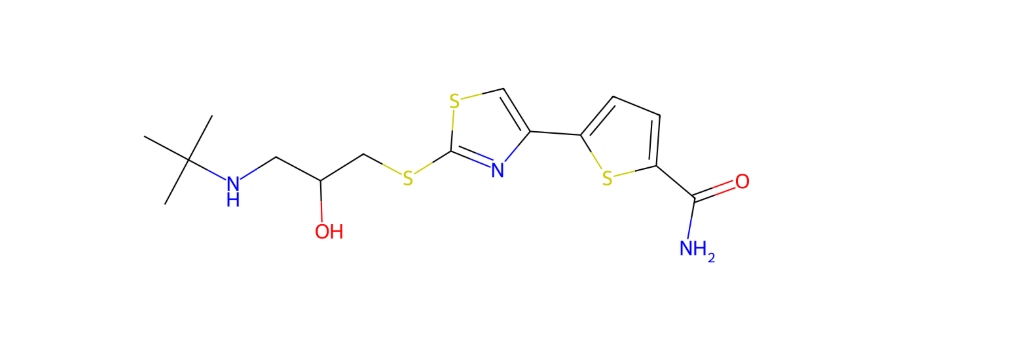
ARPRAZIQUANTEL
Generic Name: ARPRAZIQUANTEL
ABSTRACT -
Arpraziquantel is the pharmacologically active R-enantiomer of praziquantel developed as a pediatric-friendly treatment for schistosomiasis. It has been designed as a palatable dispersible/orodispersible 150 mg tablet for preschool-aged children, particularly in endemic regions. It is intended for public-health and medical use according to product-specific and national guidance.
DOSAGE -
- Dosage should be determined only by a qualified healthcare professional or trained public-health program.
- Treatment is administered orally as a single dose after food using age/weight-appropriate product guidance.
- Tablets may be dispersed in water when required for young children, following the official administration instructions.
- Do not use adult praziquantel tablets as a direct substitute without appropriate pediatric dosing guidance.
SIDE EFFECTS–
- Abdominal pain, nausea, vomiting, diarrhea, reduced appetite, or bitter taste
- Headache, dizziness, drowsiness, fever, or malaise
- Rash, itching, urticaria, or transient worsening of symptoms due to parasite death
- Liver enzyme changes may occur
- Seizure or neurologic symptoms require special caution in patients with CNS schistosomiasis or other neurologic disease
ALLERGIC REACTIONS -
- Allergic reactions may include rash, hives, swelling, wheeze, severe dizziness, or anaphylaxis.
- Some reactions may reflect dying parasites rather than direct allergy; severe reactions still require urgent evaluation.
DRUG INTERACTIONS-
- Strong CYP inducers such as rifampicin may reduce praziquantel exposure and should be avoided unless clinically justified.
- CYP inhibitors may increase exposure.
- Antiepileptics, antimalarials, and medicines causing sedation should be reviewed.
- Avoid grapefruit or other interacting products if advised by the label.
PREAUTIONS–
- Confirm schistosomiasis species, patient age, weight, pregnancy status if relevant, and neurologic history.
- Use caution with hepatic impairment, severe malnutrition, acute severe illness, or suspected CNS involvement.
- Vomiting shortly after administration may require program-specific repeat dosing guidance.
- Public-health administration should ensure correct tablet dispersion and full dose consumption.
WARNINGS –
- Not for unsupervised deworming in infants or young children.
- Neurologic symptoms, severe allergic reaction, persistent vomiting, or severe abdominal pain requires urgent care.
- Use only according to official treatment programs/product labels.
- Keep out of reach of children.
Share on -


 . Developed by