

Filter By Category
Archives
Share on -


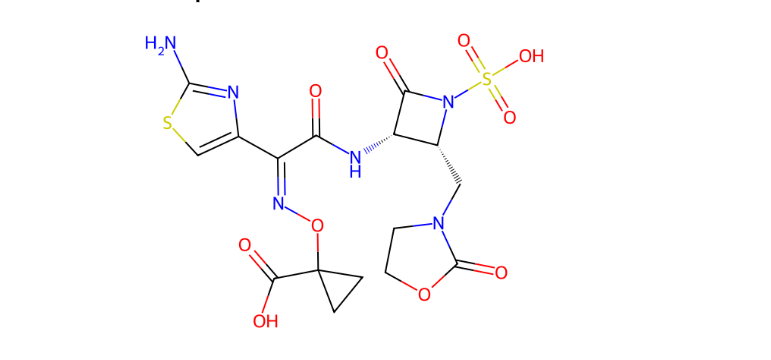
ANCREMONAM
Generic Name: ANCREMONAM
ABSTRACT -
Ancremonam, also known as LYS228 or BOS-228, is an investigational monocyclic beta-lactam monobactam antibiotic. It has been studied for activity against resistant Gram-negative organisms, including carbapenem-resistant Enterobacteriaceae, with stability against multiple beta-lactamase classes.
DOSAGE -
- Dosage should be determined only by a qualified healthcare professional.
- No approved standard dosage is established.
- Investigational use has involved intravenous dosing under infectious-disease trial protocols.
- Renal function, culture results, and susceptibility testing should guide any study use.
SIDE EFFECTS–
- Possible side effects include:
- Infusion-site reaction
- Nausea
- Diarrhea
- Headache
- Rash
- Liver enzyme elevations
- Renal laboratory changes
- Clostridioides difficile-associated diarrhea risk
ALLRGIC REACTIONS–
- Possible allergic reaction symptoms include:
- Rash
- Urticaria
- Angioedema
- Bronchospasm
- Severe beta-lactam hypersensitivity symptoms
- Important: Patients who develop an allergic reaction to Ancremonam should seek immediate medical attention and inform all future healthcare providers of the allergy.
DRUG INTERACTIONS–
- Other beta-lactams may share hypersensitivity risk.
- Nephrotoxic drugs may increase renal monitoring needs.
- Anticoagulants may require monitoring if severe infection or antibiotics alter coagulation status.
- Live bacterial vaccines may have reduced effectiveness during antibiotic therapy.
- Patients should inform healthcare providers about all prescription medicines, over-the-counter medicines, herbal products, vaccines, and supplements they are using.
PREAUTIONS–
- Use only when protocol and microbiology support the need.
- Monitor renal function, liver enzymes, hypersensitivity, and diarrhea.
- Use caution in patients with severe beta-lactam allergy.
- Avoid unnecessary use to reduce resistance pressure.
WARNINGS –
- Investigational antibiotic; not for self-treatment.
- Severe allergic reactions and severe diarrhea require urgent care.
- Use antimicrobial stewardship principles.
- Keep out of reach of children.
Share on -


 . Developed by