

Filter By Category
Archives
Share on -


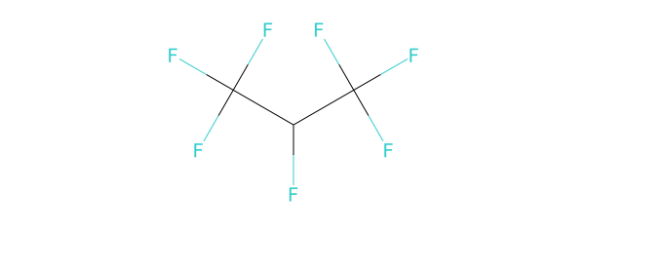
APAFLURANE
Generic Name: APAFLURANE
ABSTRACT -
Apaflurane is a fluorinated volatile halocarbon related to perfluorinated propane derivatives.
It has been investigated as an inhalational compound, but it is not a commonly marketed modern anesthetic agent.
Because anesthetic and respiratory effects depend on concentration and delivery system, use is restricted to specialized research or industrial contexts.
DOSAGE -
- Dosage should be determined only by an anesthesiology or qualified research professional.
- No approved modern clinical anesthetic dosing regimen is established.
- Exposure concentration, oxygen delivery, ventilation, and monitoring must follow an authorized protocol.
- Do not use outside controlled settings with respiratory and cardiovascular support.
SIDE EFFECTS–
- Possible side effects may include:
- Dizziness
- Respiratory irritation
- Hypoxia risk if oxygen is displaced
- CNS depression at high exposure
- Nausea
- Cardiovascular depression
- Unknown chronic exposure toxicity
ALLERGIC REACTIONS -
- Hypersensitivity to the active compound or excipients is possible.
- Symptoms may include skin rash, urticaria, pruritus, facial swelling, wheezing, dizziness, or anaphylaxis.
- Patients with a suspected allergic reaction should stop treatment and seek urgent medical attention.
DRUG INTERACTIONS–
- Other anesthetics, sedatives, opioids, and alcohol may add CNS or respiratory depression.
- Halogenated anesthetic interactions should be considered by anesthesiology specialists.
- Avoid uncontrolled exposure with other volatile chemicals.
PREAUTIONS–
- Use only with appropriate ventilation and gas monitoring.
- Avoid in uncontrolled environments or without oxygen monitoring.
- Assess occupational exposure safety.
- Pregnancy and chronic exposure safety are not established.
WARNINGS –
- Inhalational exposure can cause serious respiratory or CNS effects.
- No routine therapeutic use is established.
- Use only in controlled professional settings.
Share on -


 . Developed by