

Filter By Category
Archives
Share on -


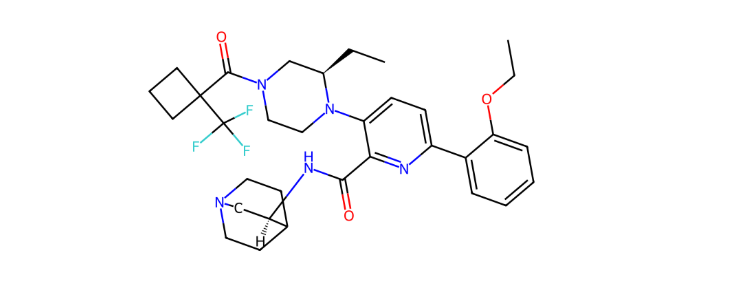
ATUMELNANT
Generic Name: ATUMELNANT
ABSTRACT -
Atumelnant (CRN04894) is an investigational orally active nonpeptide antagonist of the adrenocorticotropic hormone receptor, melanocortin type 2 receptor (MC2R). It is being studied to reduce adrenal steroid production in ACTH-dependent endocrine disorders such as Cushing disease and congenital adrenal hyperplasia. It has molecular formula C33H42F3N5O3.
This document is for structured API information only. It is not a prescribing guide. Clinical use, if any, must follow the approved local label, trial protocol, and specialist medical supervision.
DOSAGE -
- Dosage should be determined only by a qualified endocrinology specialist.
- Use must follow clinical-trial protocol or future approved local labeling.
- Cortisol, ACTH, adrenal steroid levels, electrolytes, and symptoms require monitoring.
- Dose interruption or adjustment may be needed for adrenal insufficiency symptoms.
SIDE EFFECTS-
Possible side effects and safety concerns include:
- Nausea, headache, fatigue, dizziness, or abdominal discomfort
- Low cortisol symptoms such as weakness, low blood pressure, vomiting, or confusion may occur if over-suppressed
- Changes in adrenal hormones, electrolytes, or liver tests may occur
- Rash or pruritus
- Hypersensitivity reactions are possible.
ALLERGIC REACTIONS -
Hypersensitivity to Atumelnant or related compounds/products may occur. Symptoms may include:
- Immediate urticaria or generalized rash
- Facial, lip, tongue, or throat swelling
- Wheezing or breathing difficulty
- Dizziness, collapse, or anaphylaxis
Important: Patients who develop an allergic reaction to Atumelnant should seek immediate medical attention and inform all future healthcare providers of the allergy.
DRUG INTERACTIONS-
Atumelnant may interact with certain medicines, protocols, vaccines, clinical conditions, or procedures. Caution is needed with:
- Glucocorticoids and steroidogenesis-modifying medicines require specialist coordination.
- CYP-metabolized medicines may need review when protocol information is available.
- Medicines affecting blood pressure or electrolytes may need monitoring.
- Investigational endocrine therapies require protocol guidance.
Patients should inform healthcare providers about all prescription medicines, over-the-counter medicines, herbal products, vaccines, and supplements they are using.
PREAUTIONS–
- Monitor for adrenal insufficiency and provide steroid rescue plans if required by protocol.
- Assess pituitary/adrenal diagnosis before use.
- Use caution in acute illness, surgery, or severe stress where cortisol needs rise.
- Pregnancy and lactation safety are not established.
WARNINGS –
- Excessive ACTH-receptor blockade may cause adrenal insufficiency.
- Seek urgent care for severe weakness, vomiting, confusion, fainting, or low blood pressure.
- Use only under specialist endocrine supervision.
- Keep out of reach of children.
Share on -


 . Developed by