

Filter By Category
Archives
Share on -


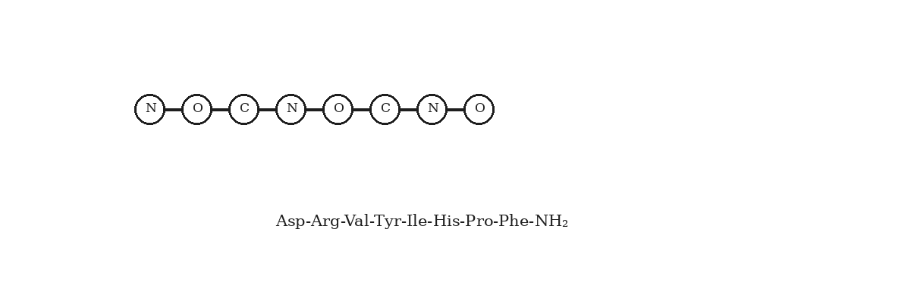
ANGIOTENSINAMIDE
Generic Name: ANGIOTENSINAMIDE
ABSTRACT -
Angiotensinamide, also known as angiotensin amide, is an octapeptide amide related to angiotensin II. It is a potent vasoconstrictor that increases peripheral vascular resistance and has been used historically as a pressor agent for severe hypotension.
DOSAGE -
- Dosage should be determined only by a qualified healthcare professional.
- Administration is by intravenous infusion with continuous blood pressure monitoring.
- Dose must be titrated to hemodynamic response and discontinued or reduced if excessive hypertension occurs.
- Use is reserved for specialist or critical-care settings.
SIDE EFFECTS–
- Possible side effects include:
- Hypertension
- Headache
- Bradycardia or tachycardia
- Peripheral ischemia
- Chest discomfort
- Nausea
- Reduced organ perfusion
- Thrombotic or ischemic complications
ALLRGIC REACTIONS–
- Possible allergic reaction symptoms include:
- Rash
- Urticaria
- Angioedema
- Bronchospasm
- Anaphylaxis symptoms
- Important: Patients who develop an allergic reaction to Angiotensinamide should seek immediate medical attention and inform all future healthcare providers of the allergy.
DRUG INTERACTIONS–
- Other vasopressors may produce additive hypertension or ischemia.
- Antihypertensive drugs may blunt response.
- Diuretics and volume status influence pressor effect.
- Drugs affecting the renin-angiotensin system may alter response.
- Patients should inform healthcare providers about all prescription medicines, over-the-counter medicines, herbal products, vaccines, and supplements they are using.
PREAUTIONS–
- Use only with continuous hemodynamic monitoring.
- Correct hypovolemia where appropriate before or during pressor therapy.
- Use caution in ischemic heart disease, peripheral vascular disease, renal impairment, or mesenteric ischemia risk.
- Avoid extravasation and monitor infusion site.
WARNINGS –
- Excessive vasoconstriction can cause serious ischemic injury.
- Not for unsupervised use.
- Stop or reduce infusion for severe hypertension or ischemic symptoms.
- Keep out of reach of children.
Share on -


 . Developed by