

Filter By Category
Archives
Share on -


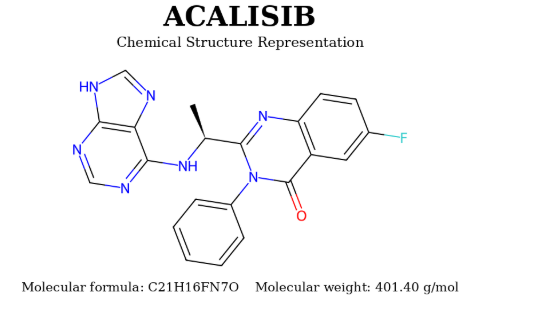
ACALISIB
Generic Name: ACALISIB
ABSTRACT -
Acalisib, also known as GS-9820 or CAL-120, is an investigational oral small-molecule inhibitor of phosphoinositide 3-kinase (PI3K), with activity directed mainly against the delta isoform and also described against beta/delta PI3K targets. It has been studied for potential antineoplastic and immunomodulating activity in lymphoid malignancies and other cancer-related research settings. By inhibiting PI3K signaling, acalisib reduces production of the second messenger phosphatidylinositol-3,4,5-trisphosphate (PIP3), which can suppress downstream survival signaling, decrease malignant cell proliferation, and promote tumor-cell death. Acalisib remains an investigational compound and is not established as a routine approved treatment for general clinical use.
DOSAGE –
Acalisib is an investigational anticancer agent and should only be administered under an approved clinical trial protocol or under the direction of qualified oncology specialists.
- Studied as an oral medication in clinical research settings.
- Early clinical studies evaluated twice-daily dosing schedules.
- Dose levels explored in research included 50 mg to 400 mg twice daily, depending on the study design and treatment cohort.
- No standard commercial dose has been established for routine medical use.
- Dose interruption, reduction, or discontinuation may be required if clinically significant toxicity occurs.
- Patients or study participants should follow all protocol-specific dosing, monitoring, laboratory testing, and follow-up instructions.
SIDE EFFECTS –
Reported or potential side effects may include:
- Diarrhea or loose stools
- Nausea or vomiting
- Loss of appetite
- Fatigue, weakness, or malaise
- Headache
- Fever or chills
- Cough, sore throat, or upper respiratory symptoms
- Rash or itching
- Mouth irritation or sores
- Abdominal discomfort
- Joint or muscle pain
- Changes in liver function tests
- Low white blood cell count, anemia, or low platelet count
- Infections, which may be serious in immunocompromised patients
- Elevated blood sugar or other laboratory abnormalities
ALLRGIC REACTIONS–
(These symptoms may indicate an allergic reaction to the medicine.)
- Skin rash
- Itching
- Hives
- Swelling of the face, lips, tongue, or throat
- Difficulty breathing or wheezing
- Chest tightness
- Severe dizziness or fainting
- Rapid heartbeat
- Anaphylaxis or severe hypersensitivity reaction
DRUG INTERACTIONS -
Formal drug-interaction information is limited because acalisib remains investigational. Caution should be exercised when used with:
- Strong CYP3A inhibitors or inducers, when relevant to protocol requirements or investigator guidance
- Other anticancer therapies that may increase overlapping toxicity
- Immunosuppressive medications or high-dose corticosteroids
- Medicines that increase infection risk or affect immune response
- Medicines associated with liver toxicity
- Anticoagulants or antiplatelet medicines in patients with bleeding risk or low platelet counts
- Other investigational medicines, vaccines, herbal products, or supplements unless permitted by the protocol
Patients should inform healthcare providers about all prescription medicines, non-prescription medicines, vitamins, herbal products, vaccines, and supplements being used.
PRECAUTIONS –
- Use only in appropriate research or specialist oncology settings unless otherwise authorized by regulatory authorities.
- Assess baseline blood counts, liver function, kidney function, infection status, and other protocol-required laboratory values before treatment.
- Monitor for diarrhea, infection, rash, liver enzyme elevation, cytopenias, and other clinically important adverse events during therapy.
- Use caution in patients with active infection, significant immune suppression, liver disease, uncontrolled diabetes, or poor general condition.
- Temporary interruption or discontinuation may be needed for severe or persistent adverse reactions.
- Safety during pregnancy and breastfeeding has not been established; effective contraception may be required in clinical trial settings.
- Patients should avoid self-medication and should not change doses without medical supervision.
- Report fever, persistent diarrhea, unusual bleeding, jaundice, severe rash, or breathing problems promptly.
WARNINGS –
- Acalisib is investigational and has not been established for routine general medical use.
- PI3K pathway inhibitors may be associated with serious adverse reactions, including severe diarrhea or colitis, infection, liver toxicity, pneumonitis-like lung inflammation, rash, and blood count abnormalities.
- Severe infections or opportunistic infections may occur, especially in patients with weakened immune systems or prior intensive cancer therapy.
- Serious allergic reactions, although uncommon, require immediate medical attention.
- Clinical use should be supervised by trained healthcare professionals with access to appropriate monitoring and emergency care.
- Keep out of reach of children.
- In case of suspected overdose, severe adverse reaction, difficulty breathing, or rapidly worsening symptoms, seek immediate medical attention.
- Patients should report unusual symptoms or side effects to their healthcare provider or clinical investigator promptly.
Share on -


 . Developed by