

Filter By Category
Archives
Share on -


ALIPOGENE TIPARVOVEC
Generic Name: ALIPOGENE TIPARVOVEC
ABSTRACT -
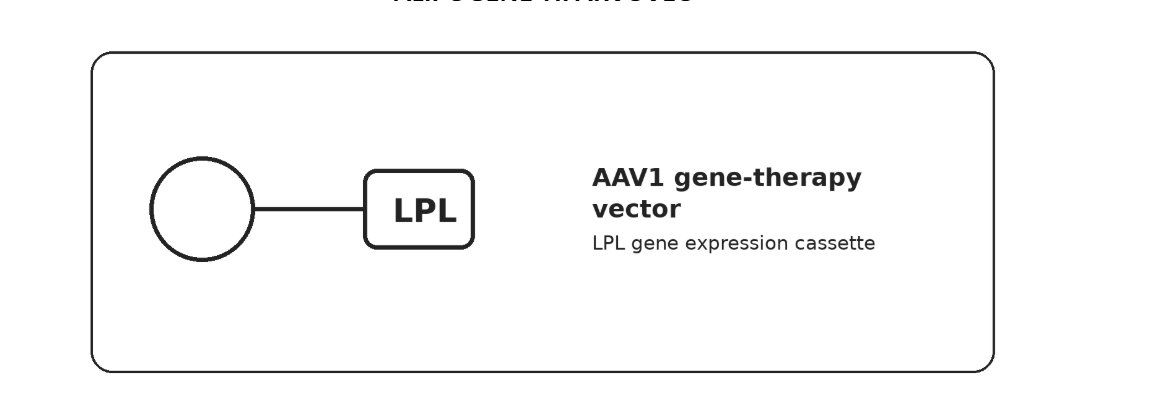
Alipogene tiparvovec, formerly marketed in Europe as Glybera, is an adeno-associated viral vector gene therapy designed to deliver a functional lipoprotein lipase gene variant to muscle cells. It was developed for adults with genetically confirmed lipoprotein lipase deficiency who had severe or multiple pancreatitis attacks despite dietary fat restriction. Its European marketing authorization expired and the product is no longer routinely marketed; use requires highly specialized gene-therapy supervision.
DOSAGE -
- Alipogene tiparvovec does not have a current routine clinical dosing role in most settings.
- Historically, it was administered as a one-time series of multiple intramuscular injections into leg muscles using a weight-based dose under specialist treatment-center conditions.
- Treatment required strict eligibility confirmation, dietary management, injection-site planning, and immune-suppression/monitoring according to the product protocol.
- Any use of this or similar gene therapy must follow a licensed protocol, regulatory approval, and specialist physician direction.
SIDE EFFECTS–
- Reported or potential side effects may include:
- Injection-site pain, bruising, swelling, or discomfort
- Leg pain
- Fever
- Fatigue
- Headache
- Nausea
- Increased creatine kinase
- Elevated liver enzymes
- Immune response or antibody formation
- Flu-like symptoms
- Allergic or hypersensitivity reactions
ALLRGIC REACTIONS–
(These symptoms may indicate an allergic reaction to the drug.)
- Skin rash
- Itching
- Hives
- Swelling of face, lips, tongue, or throat
- Difficulty breathing
- Wheezing
- Severe dizziness
- Rapid heartbeat
- Chest tightness
- Anaphylaxis
- Severe hypersensitivity reactions
DRUG INTERACTIONS–
- The interaction profile may include or require caution with:
- Immunosuppressive medicines used around the time of gene therapy
- Anticoagulants or antiplatelet medicines that may increase injection-site bleeding
- Vaccines, especially live vaccines, when immunosuppression is being used
- Medicines associated with liver toxicity
- Other gene, cell, or investigational therapies
- Products that may affect immune response to the vector
- Patients should inform healthcare providers about all prescription medicines, non-prescription medicines, herbal products, and supplements being used.
PREAUTIONS–
- Use only in a specialist gene-therapy center with expertise in metabolic disease, vector administration, and immune monitoring.
- Confirm genetic diagnosis, pancreatitis history, diet adherence, liver function, immune status, and vector-related eligibility criteria before treatment.
- Monitor injection sites, muscle symptoms, liver enzymes, creatine kinase, immune response, and clinical pancreatitis outcomes.
- Use caution in patients with active infection, severe liver disease, bleeding disorders, immune deficiency, or contraindications to immunosuppression.
- Pregnancy and breastfeeding require specialist risk assessment.
WARNINGS –
- Gene therapy can produce long-lasting biological effects and requires careful informed consent and long-term follow-up.
- Severe allergic reaction, intense muscle pain, dark urine, jaundice, high fever, or pancreatitis symptoms require urgent medical evaluation.
- The product is not a routine treatment option and should not be obtained or used outside authorized specialist care.
- Immune reactions to viral vectors may occur.
- Keep all treatment records and follow long-term monitoring recommendations.
Share on -


 . Developed by