

Filter By Category
Archives
Share on -


ACAZICOLCEPT
Generic Name: ACAZICOLCEPT
ABSTRACT -
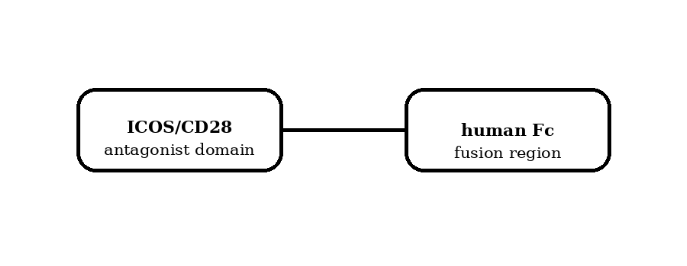
Acazicolcept, also known as ALPN-101, is an investigational Fc-fusion protein designed to inhibit two important T-cell costimulation pathways: CD28 and inducible T-cell costimulator (ICOS). By blocking these pathways, acazicolcept may reduce pathologic T-cell activation and inflammatory immune responses. It has been evaluated in preclinical and clinical autoimmune or inflammatory disease research settings. Acazicolcept is not established as a routine approved treatment for general clinical use.
DOSAGE -
Acazicolcept is investigational and should only be administered under an approved clinical trial protocol or by qualified specialists.
- Studied by parenteral administration in research settings.
- Dose and schedule depend on the specific study protocol, disease indication, and treatment cohort.
- No routine commercial dose has been established for general medical use.
- Dose interruption, delay, or discontinuation may be required for infection, hypersensitivity, or other clinically significant toxicity.
- Participants should follow protocol-specific laboratory monitoring and follow-up instructions.
SIDE EFFECTS –
Reported or potential side effects may include:
- Injection or infusion-related reactions
- Headache
- Fatigue
- Fever or chills
- Nausea
- Rash or itching
- Upper respiratory symptoms
- Infections or increased susceptibility to infection
- Laboratory abnormalities
- Possible worsening or altered presentation of immune-related conditions
- Unknown risks because clinical experience is limited
ALLRGIC REACTIONS–
(These symptoms may indicate an allergic reaction to the medicine.)
- Skin rash
- Itching
- Hives
- Swelling of the face, lips, tongue, or throat
- Difficulty breathing or wheezing
- Chest tightness
- Severe dizziness or fainting
- Rapid heartbeat
- Anaphylaxis or severe hypersensitivity reaction
DRUG INTERACTIONS–
Formal interaction data are limited because acazicolcept remains investigational. Caution should be exercised when used with:
- Immunosuppressive medicines, biologics, or disease-modifying antirheumatic drugs
- High-dose corticosteroids
- Live or live-attenuated vaccines
- Other investigational immunomodulators
- Medicines that increase infection risk
- Therapies that affect T-cell function or immune response
Patients should inform healthcare providers about all prescription medicines, non-prescription medicines, vitamins, herbal products, vaccines, and supplements being used.
PRECAUTIONS –
- Use only under approved research or regulatory-authorized conditions.
- Screen for history of severe allergy, prior serious reaction to mRNA/lipid nanoparticle products, and active acute illness.
- Monitor for immediate hypersensitivity reactions after administration.
- Use caution in patients with active infection, unstable inflammatory disease, significant immune suppression, or bleeding disorders.
- Safety during pregnancy and breastfeeding has not been established.
- Participants should report all adverse events and follow study monitoring requirements.
WARNINGS –
- Use only in appropriate research or specialist settings.
- Assess baseline infection status, vaccination history, immune status, and relevant laboratory values.
- Monitor for infection, hypersensitivity, changes in autoimmune disease activity, and laboratory abnormalities.
- Use caution in patients with active infection, chronic recurrent infections, or significant immune suppression.
- Avoid live vaccines unless specifically allowed by the protocol and treating specialist.
- Pregnancy and breastfeeding safety have not been established.
- Patients should report fever, persistent cough, rash, swelling, or unusual symptoms promptly.
Share on -


 . Developed by