

Filter By Category
Archives
Share on -


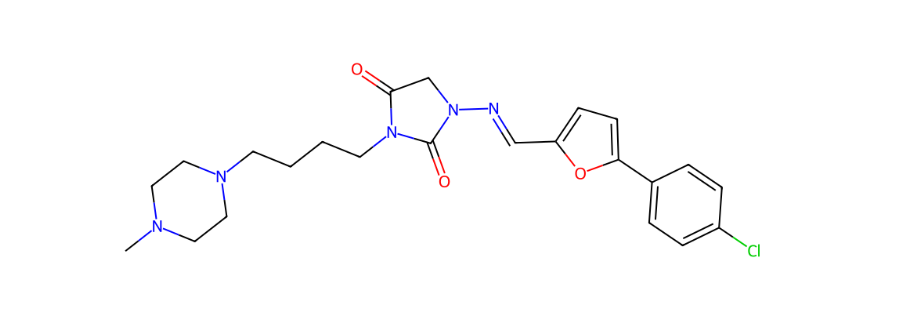
AZIMILIDE
Generic Name: AZIMILIDE
ABSTRACT -
Azimilide is a class III antiarrhythmic agent investigated for atrial and ventricular arrhythmias. It blocks delayed rectifier potassium currents, including IKr and IKs, thereby prolonging cardiac repolarization and refractory period. Because QT prolongation can be hazardous, it requires specialist cardiac supervision. Molecular formula: C₂₃H₂₈ClN₅O₃; molecular weight: 457.96 g/mol. Development/regulatory status: Investigational/not widely marketed.
This document is for structured API information only. It is not a prescribing guide. Clinical use, if any, must follow the approved local label, trial protocol, and specialist medical supervision.
DOSAGE-
- No approved routine dosing schedule is established in many regions.
- Any use should follow a cardiology protocol with electrocardiographic monitoring.
- Dose selection depends on arrhythmia type, QT interval, renal/hepatic function, electrolytes, and concomitant antiarrhythmics.
- Do not use without specialist supervision.
SIDE EFFECTS-
Possible side effects and safety concerns include:
- QT prolongation and risk of torsades de pointes
- Dizziness, palpitations, syncope, or bradycardia
- Headache, nausea, diarrhoea, or fatigue
- Electrolyte-related arrhythmia risk
- Rash or hypersensitivity reactions
ALLERGIC REACTIONS -
Hypersensitivity to azimilide or related compounds/products may occur. Symptoms may include:
- Infusion reaction or injection-site reaction where applicable
- Rash or urticaria
- Bronchospasm or breathing difficulty
- Facial, lip, tongue, or throat swelling
- Anaphylaxis
Important: Patients who develop an allergic reaction to azimilide should seek immediate medical attention and inform all future healthcare providers of the allergy.
DRUG INTERACTIONS-
- Other QT-prolonging drugs can increase torsades risk.
- Diuretics causing hypokalaemia or hypomagnesaemia increase proarrhythmic risk.
- CYP/metabolic inhibitors may increase exposure depending on final regimen.
- Avoid combining with other antiarrhythmics unless protocol-directed.
PREAUTIONS–
- Obtain baseline and follow-up ECGs and monitor QTc.
- Correct potassium and magnesium before and during therapy.
- Use caution in bradycardia, heart failure, congenital long QT syndrome, renal/hepatic impairment, pregnancy, or lactation.
WARNINGS –
- Can cause life-threatening ventricular arrhythmias through QT prolongation.
- Seek immediate care for fainting, sustained palpitations, seizures, or severe dizziness.
- Keep out of reach of children.
Share on -


 . Developed by