

Filter By Category
Archives
Share on -


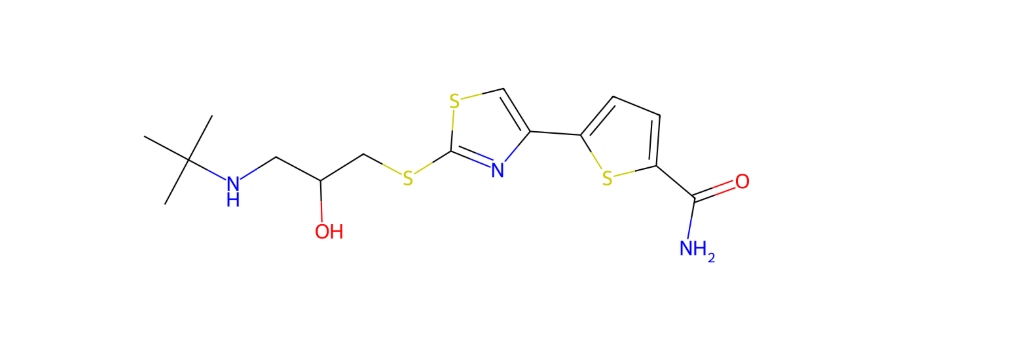
AROTINOLOL
Generic Name: AROTINOLOL
ABSTRACT -
Arotinolol is a mixed alpha- and beta-adrenoceptor blocker used in some countries for hypertension, angina-related symptoms, tachyarrhythmia, and essential tremor. By blocking beta receptors and having alpha-blocking activity, it can lower heart rate and blood pressure. Regulatory availability differs by country.
DOSAGE -
- Dosage should be determined only by a qualified healthcare professional.
- Published product information in markets where used commonly includes oral tablet dosing individualized over approximately 10-30 mg/day, often divided, but local labeling must be followed.
- Dose should be titrated according to pulse, blood pressure, indication, and adverse effects.
- Do not stop abruptly after chronic use unless directed by a clinician.
SIDE EFFECTS–
- Bradycardia, hypotension, dizziness, fatigue, cold extremities, or exercise intolerance
- Nausea, diarrhea, abdominal discomfort, or sleep disturbance
- Bronchospasm, shortness of breath, or worsening asthma/COPD
- Masking of hypoglycemia symptoms in diabetes
- Rare liver enzyme changes, rash, or hypersensitivity
ALLERGIC REACTIONS -
- Allergic reactions can include rash, urticaria, facial swelling, wheeze, severe dizziness, or anaphylaxis.
- Stop and seek urgent care for severe or systemic reactions.
DRUG INTERACTIONS-
- Other beta-blockers, verapamil, diltiazem, digoxin, amiodarone, antiarrhythmics, clonidine, and anesthetics can increase bradycardia, AV block, or hypotension.
- Antidiabetic medicines require glucose monitoring because beta-blockers can mask hypoglycemia.
- NSAIDs may reduce blood-pressure lowering effect.
- Sympathomimetics and decongestants may oppose antihypertensive benefit.
PREAUTIONS–
- Assess asthma/COPD, bradycardia, AV block, heart failure, peripheral vascular disease, diabetes, thyroid disease, renal/hepatic impairment, and pregnancy status.
- Monitor blood pressure, pulse, ECG when indicated, respiratory symptoms, and glucose in diabetes.
- Taper gradually to avoid rebound tachycardia, hypertension, or angina.
- Use cautiously in older adults.
WARNINGS –
- Contraindications may include cardiogenic shock, severe bradycardia, high-grade AV block without pacing, and uncontrolled heart failure.
- Bronchospasm or severe hypotension requires urgent care.
- Do not combine with other rate-slowing medicines without supervision.
- Keep out of reach of children.
Share on -


 . Developed by