

Filter By Category
Archives
Share on -


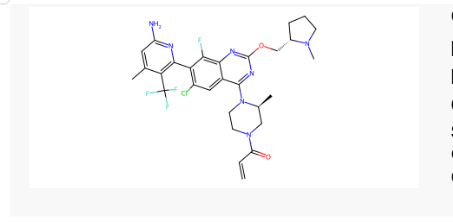
DIVARASIB
Generic Name: DIVARASIB
ABSTRACT -
Divarasib is an investigational covalent inhibitor of KRAS G12C designed to block mutant KRAS signaling in selected solid tumors. This document is for structured API information only.
DOSAGE -
- No routine clinical dosage is established for general use.
- Use requires molecular confirmation of KRAS G12C and adherence to protocol or approved local label.
- Dose modification may be needed for gastrointestinal, hepatic, or other toxicities.
SIDE EEFECTS -
- Diarrhea, nausea, vomiting, fatigue, decreased appetite, rash, or abdominal pain may occur.
- Liver enzyme elevations and hematologic abnormalities may occur.
- Pulmonary symptoms or pneumonitis-like events should be assessed promptly.
ALLERGIC REACTIONS -
- Immediate rash, hives, itching, flushing, or generalized skin reaction
- Facial, lip, tongue, or throat swelling
- Wheezing, chest tightness, shortness of breath, or severe dizziness
- Severe hypotension, collapse, or anaphylaxis requires emergency care
- Any suspected allergy should be documented and reported to future healthcare providers
DRUG INTERACTIONS-
- Strong CYP3A modulators, acid-reducing agents, and transporter substrates may require product-specific review.
- Other anticancer therapies may increase overlapping gastrointestinal, hepatic, or marrow toxicity.
- Patients should report all medicines and supplements.
PREAUTONS–
- Confirm tumor mutation status and monitor liver tests, CBC, gastrointestinal toxicity, and pulmonary symptoms.
- Use caution in hepatic impairment, active lung disease, pregnancy, or lactation.
- Contraception counseling may be required.
WARNINGS –
- Severe diarrhea, jaundice, dyspnea, fever, or allergic symptoms require urgent care.
- Investigational efficacy and safety are not fully established.
- Keep out of reach of children.
Share on -


 . Developed by