

Filter By Category
Archives
Share on -


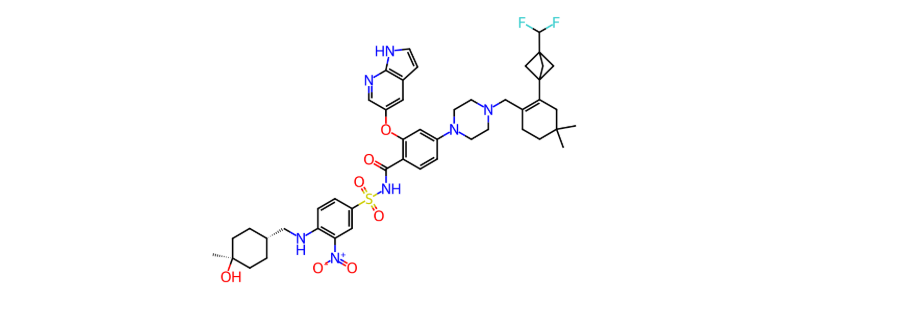
ASARETOCLAX
Generic Name: ASARETOCLAX
ABSTRACT -
Asaretoclax, also known as ZN-d5, is an investigational orally bioavailable BCL-2 inhibitor being developed for hematologic malignancies such as acute myeloid leukemia and lymphoma research. By inhibiting the anti-apoptotic BCL-2 protein, it is intended to restore apoptosis in malignant cells. Its dose, safety profile, combination role, and long-term benefit remain under clinical investigation.
DOSAGE -
No approved standard dosage is established. Dosing in clinical trials is protocol-defined and may involve dose escalation, ramp-up, laboratory monitoring, and tumor-lysis-risk mitigation. Use only under specialist oncology supervision.
SIDE EFFECTS–
- Possible or reported side effects may include:
- Nausea
- Diarrhea or constipation
- Fatigue
- Neutropenia or other cytopenias
- Infection risk
- Tumor lysis syndrome risk
- Transaminase or chemistry abnormalities
- Rash
ALLERGIC REACTIONS -
- Hypersensitivity reactions may include rash, hives, swelling, dyspnea, or anaphylaxis.
- Stop treatment and seek emergency care if severe allergic symptoms occur.
DRUG INTERACTIONS-
- Use caution with:
- Strong CYP3A inhibitors or inducers may alter exposure if applicable to the protocol
- Other myelosuppressive chemotherapy
- Anticoagulants/antiplatelets when thrombocytopenia is present
- Other investigational anticancer medicines
- Patients should inform healthcare providers about all prescription medicines, over-the-counter medicines, herbal products, and supplements they are using.
PREAUTIONS–
- Assess tumor lysis risk, renal function, electrolytes, CBC, infection status, and concomitant medicines.
- Use prophylaxis and dose escalation exactly as directed by the protocol.
- Avoid pregnancy during treatment; embryo-fetal risk is possible with anticancer therapy.
WARNINGS –
- Tumor lysis syndrome, severe cytopenias, infection, and organ dysfunction can be life-threatening.
- Use only in an oncology clinical-trial or specialist hematology setting.
- Frequent CBC, chemistry, renal function, uric acid, and tumor lysis monitoring may be required.
- Keep out of reach of children.
- In case of overdose, severe reaction, or clinical deterioration, seek immediate medical attention.
Share on -


 . Developed by