

Filter By Category
Archives
Share on -


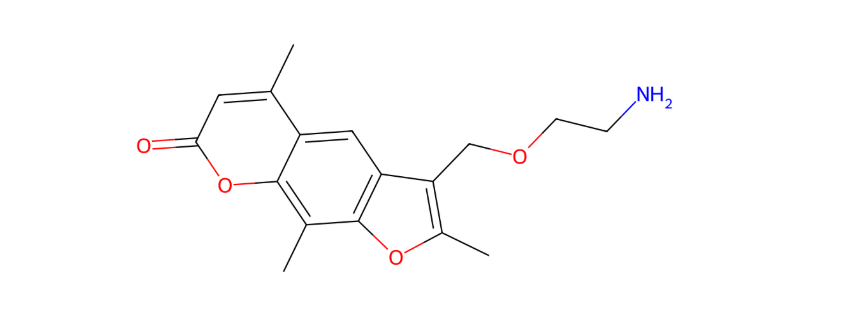
AMOTOSALEN
Generic Name: AMOTOSALEN
ABSTRACT -
Amotosalen is a synthetic psoralen derivative used with ultraviolet A (UVA) light for ex vivo pathogen reduction of blood components such as platelets and plasma. It intercalates into nucleic acids and, after UVA activation, forms cross-links that prevent replication of viruses, bacteria, parasites, and leukocytes. It is not generally administered as a conventional systemic therapeutic dose to patients.
DOSAGE -
Dosage should be determined only by trained blood-bank or transfusion-medicine professionals.
Amotosalen is used ex vivo in validated pathogen-reduction systems according to manufacturer and regulatory instructions.
It is not dosed like an ordinary medication to treat a patient directly.
Residual amotosalen levels are controlled by the processing system and quality requirements before transfusion.
SIDE EFFECTS–
- Possible side effects include:
- Transfusion reactions related to the treated blood component
- Fever or chills
- Urticaria
- Hypotension
- Nausea
- Allergic transfusion reactions
- Haemolytic or pulmonary transfusion complications are possible with any blood product
- Direct systemic drug adverse effects are limited by ex vivo use.
ALLRGIC REACTIONS–
- Hypersensitivity to amotosalen-treated blood components or component proteins may occur.
- Symptoms may include hives, itching, fever, dyspnoea, hypotension, or anaphylaxis during or after transfusion.
- Important: Patients should report previous severe transfusion reactions before receiving blood products.
DRUG INTERACTIONS–
- Because amotosalen is used ex vivo, conventional drug-drug interactions are uncommon.
- Photosensitising medicines are generally less relevant to the transfusion recipient but should be considered in specialist settings.
- Compatibility with blood component processing additives must follow validated system instructions.
- Patients should inform clinicians about prior transfusion reactions and immune conditions.
PREAUTIONS–
- Use only in approved blood component processing systems.
- Ensure correct UVA dose, mixing, adsorption, storage, and quality-control steps.
- Do not transfuse components that fail processing or inspection criteria.
- Use standard transfusion monitoring during administration.
WARNINGS –
- Amotosalen/UVA processing does not eliminate all transfusion risks.
- Incorrect processing can compromise component safety or efficacy.
- Severe transfusion reactions require immediate medical management.
- Keep processing materials out of reach of unauthorised personnel.
Share on -


 . Developed by