

Filter By Category
Archives
Share on -


ATISNOLERBART
Generic Name: ATISNOLERBART
ABSTRACT -
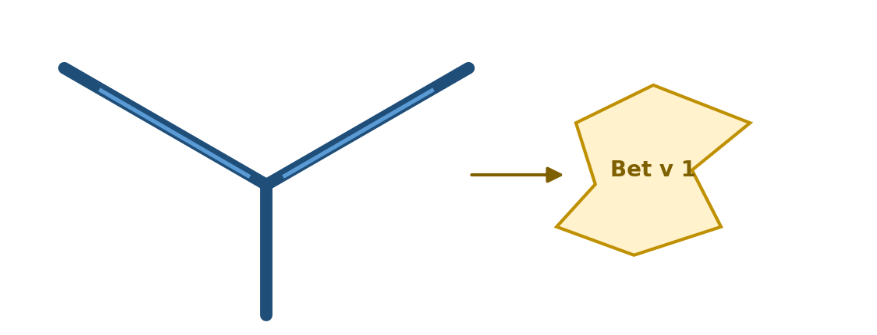
Atisnolerbart (REGN5715) is a human IgG4 monoclonal antibody that binds the major birch-pollen allergen Bet v 1. It has been studied with bremzalerbart and umesolerbart as an allergen-blocking antibody cocktail intended to prevent Bet v 1 from cross-linking allergen-specific IgE and triggering allergic rhinitis or conjunctivitis symptoms.
DOSAGE –
-
-
No approved standard dosage is established. Clinical studies evaluated a protocol-defined single subcutaneous dose of the antibody combination before birch-pollen exposure or season. The individual antibody should not be prepared or administered separately from the studied investigational combination unless a protocol explicitly specifies it.
-
SIDE EFFECTS –
- Injection-site pain, redness, or swelling
- Headache
- Nasopharyngitis or upper-respiratory symptoms
- Fatigue
- Transient rash or itching
- Hypersensitivity or systemic allergic reaction
ALLRGIC REACTIONS -
(These symptoms may indicate a serious allergic or infusion reaction and require medical attention.)
- Generalized hives or rapidly worsening rash
- Face, lip, tongue, or throat swelling
- Wheezing, breathing difficulty, or dizziness
- Anaphylaxis requiring emergency treatment
DRUG INTERACTIONS –
-
-
- Formal drug-interaction studies are limited
- Immunosuppressive therapy could alter immune response or study interpretation
- Other biologics may increase hypersensitivity complexity
- Follow protocol rules for allergy medicines and rescue medication
-
PRECAUTIONS –
- Administer where anaphylaxis can be promptly recognized and treated
- Observe after injection for protocol-defined duration
- Document baseline birch allergy and relevant cross-reactive food allergy
- Pregnancy, breastfeeding, and paediatric safety are not established
WARNINGS –
- This is an investigational allergen-specific antibody, not conventional allergen immunotherapy
- A preventive antibody does not replace emergency treatment for anaphylaxis
- Verify whether the intended product is the single antibody or the three-antibody cocktail
Share on -


 . Developed by