

Filter By Category
Archives
Share on -


ANZURSTOBART
Generic Name: ANZURSTOBART
ABSTRACT -
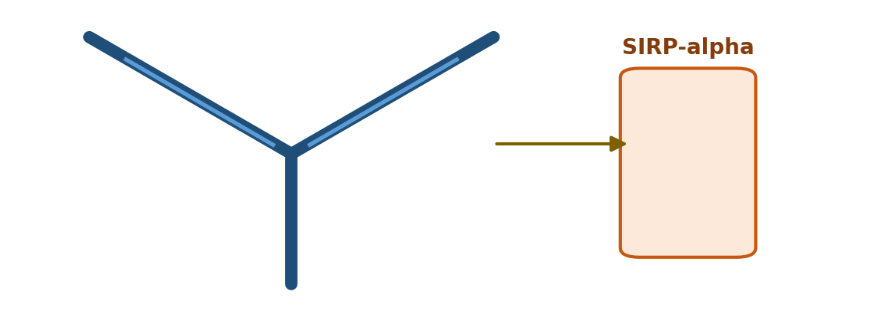
Anzurstobart (formerly CC-95251 or BMS-986351) is an investigational monoclonal antibody directed against signal-regulatory protein alpha (SIRP-alpha) on macrophages and other myeloid cells. Blocking the SIRP-alpha-CD47 checkpoint is intended to remove a tumour-cell "do not eat me" signal and enhance macrophage-mediated phagocytosis, particularly when combined with tumour-opsonizing antibodies.
DOSAGE –
-
- No approved standard dosage is established. Clinical studies have used intravenous, protocol-defined dose-escalation or expansion regimens, alone or with other anticancer medicines. Dose, infusion rate, premedication, and management of toxicity must follow the trial protocol.
SIDE EFFECTS –
- Infusion-related fever, chills, flushing, or rash
- Fatigue or weakness
- Nausea or reduced appetite
- Headache
- Anaemia or other blood-count changes
- Infection or immune-mediated inflammatory effects
ALLRGIC REACTIONS–
(These symptoms may indicate a serious allergic or infusion reaction and require medical attention.)
- Hives or generalized rash
- Swelling of the face, lips, tongue, or throat
- Wheezing, breathing difficulty, or chest tightness
- Severe infusion reaction or anaphylaxis
DRUG INTERACTIONS -
-
-
- Formal interaction studies are limited
- Other immune-active anticancer therapies may increase inflammatory toxicity
- Myelosuppressive agents may increase blood-count abnormalities
- Combination antibodies can change efficacy and toxicity; use protocol guidance
-
PRECAUTIONS –
- Monitor during and after infusion for acute reactions
- Check blood counts, infection signs, and organ function as specified
- Screen for protocol-defined infection and immune-risk conditions
- Use effective contraception and avoid breastfeeding as directed by the study
WARNINGS –
- Clinical development status has changed over time and must be verified before use
- Serious infusion, immune, infectious, or haematologic events are possible
- Research-grade biosimilar products are not clinical medicines
Share on -


 . Developed by