

Filter By Category
Archives
Share on -


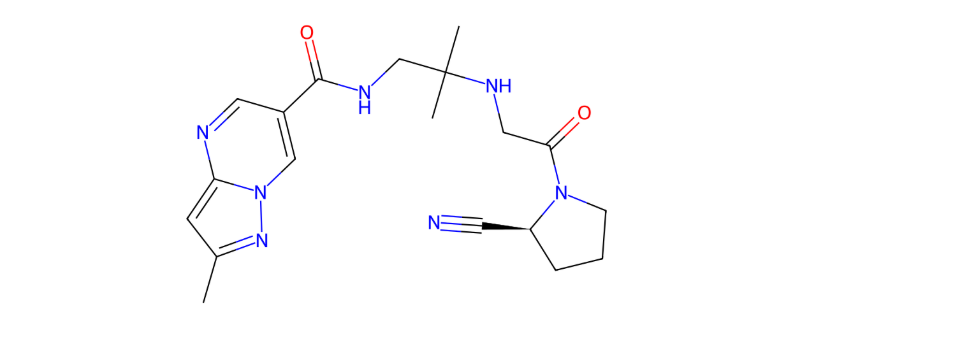
ANAGLIPTIN
Generic Name: ANAGLIPTIN
ABSTRACT -
Anagliptin is an oral dipeptidyl peptidase-4 (DPP-4) inhibitor used in some markets for type 2 diabetes mellitus. DPP-4 inhibition increases endogenous incretin activity, especially GLP-1 and GIP, which enhances glucose-dependent insulin secretion and suppresses glucagon secretion to improve glycaemic control. It is generally used with diet and exercise and may be combined with other antidiabetic medicines.
DOSAGE -
Dosage should be determined only by a qualified healthcare professional.
In Japanese clinical use, the recommended total daily dose is commonly 200 mg, given as 100 mg twice daily, with adjustment according to renal function and label guidance.
Dose should be individualised based on glycaemic control, kidney function, age, and concomitant diabetes medicines.
Monitor HbA1c, fasting glucose, renal function, and hypoglycaemia symptoms.
SIDE EFFECTS–
- Possible side effects include:
- Hypoglycaemia, especially with insulin or sulfonylureas
- Constipation
- Abdominal discomfort
- Nausea
- Nasopharyngitis
- Headache
- Rash or pruritus
- Elevated liver enzymes
- Pancreatitis is a rare but serious class concern
- Severe joint pain has been reported with DPP-4 inhibitors.
ALLRGIC REACTIONS–
- Hypersensitivity to anagliptin or excipients may occur.
- Symptoms may include rash, urticaria, angioedema, swelling of face or throat, wheezing, or severe skin reaction.
- Important: Stop use and seek urgent care for severe allergic symptoms.
DRUG INTERACTIONS–
- Insulin and sulfonylureas increase hypoglycaemia risk and may require dose reduction.
- Other antidiabetic medicines have additive glucose-lowering effects.
- Renally cleared medicines and nephrotoxic agents require attention in kidney impairment.
- Patients should report all prescription, OTC, herbal, and supplement use.
PREAUTIONS–
- Use caution in renal impairment and adjust dose according to local label.
- Assess pancreatitis history and discontinue if pancreatitis is suspected.
- Monitor for hypoglycaemia when combined with insulin secretagogues.
- Diabetes management should include diet, exercise, and regular medical follow-up.
WARNINGS –
- Anagliptin is for type 2 diabetes and not for diabetic ketoacidosis.
- Severe pancreatitis, allergic reactions, or persistent severe joint pain require urgent evaluation.
- Do not stop or change diabetes medicines without clinician advice.
- Keep out of reach of children.
Share on -


 . Developed by