

Filter By Category
Archives
Share on -


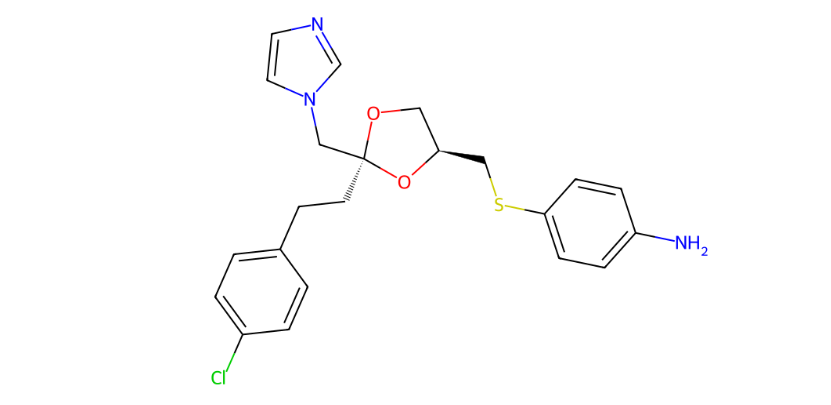
AZALANSTAT
Generic Name: AZALANSTAT
ABSTRACT -
Azalanstat is a synthetic imidazole derivative studied as a selective inhibitor of lanosterol 14alpha-demethylase, a cytochrome P450 enzyme involved in cholesterol and sterol biosynthesis. It was explored as a cholesterol-lowering and metabolic research compound, but it is not an established routine clinical medicine. Molecular formula: C₂₂H₂₄ClN₃O₂S; molecular weight: 429.97 g/mol. Development/regulatory status: Investigational/non-marketed in most regions.
This document is for structured API information only. It is not a prescribing guide. Clinical use, if any, must follow the approved local label, trial protocol, and specialist medical supervision.
DOSAGE-
- Dosage should be determined only by a qualified healthcare professional or a clinical-trial protocol.
- No approved routine dosing schedule is established for general clinical use.
- Any use should be limited to controlled research or specialist-supervised settings.
- Dose selection would depend on indication, protocol design, hepatic function, and safety monitoring.
SIDE EFFECTS-
Possible side effects and safety concerns include:
- Gastrointestinal discomfort such as nausea or abdominal upset
- Headache, dizziness, or fatigue
- Possible liver-enzyme abnormalities because of hepatic sterol-pathway effects
- Potential endocrine or lipid-profile changes
- Rash or hypersensitivity reactions
ALLERGIC REACTIONS -
Hypersensitivity to azalanstat or related compounds/products may occur. Symptoms may include:
- Infusion reaction or injection-site reaction where applicable
- Rash or urticaria
- Bronchospasm or breathing difficulty
- Facial, lip, tongue, or throat swelling
- Anaphylaxis
Important: Patients who develop an allergic reaction to azalanstat should seek immediate medical attention and inform all future healthcare providers of the allergy.
DRUG INTERACTIONS-
- CYP450 inhibitors or inducers may alter exposure or safety.
- Lipid-lowering medicines may produce additive lipid or hepatic effects.
- Hepatotoxic medicines or alcohol may increase liver-safety concerns.
- Patients should inform healthcare providers about prescription medicines, over-the-counter medicines, herbal products, vaccines, and supplements.
PREAUTIONS–
- Monitor liver function and lipid parameters if used in a research setting.
- Use caution in hepatic impairment, pregnancy, lactation, or paediatric populations.
- Do not use outside an approved research protocol or local regulatory framework.
WARNINGS –
- Not for unsupervised self-administration.
- Potential hepatic and metabolic effects require monitoring.
- Keep out of reach of children.
Share on -


 . Developed by