

Filter By Category
Archives
Share on -


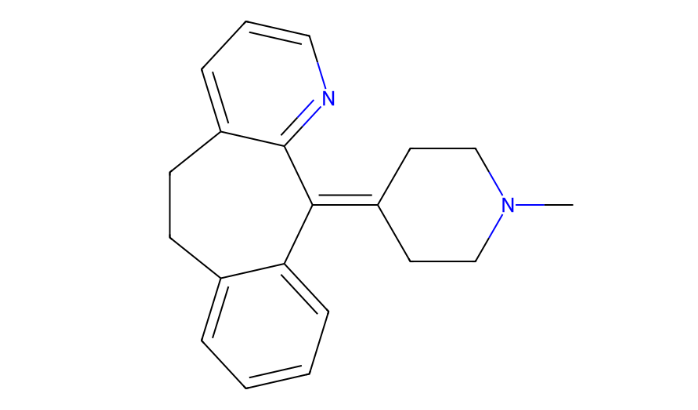
AZATADINE
Generic Name: AZATADINE
ABSTRACT -
Azatadine is a first-generation H1 receptor antagonist related to cyproheptadine. It has antihistamine, anticholinergic, antiserotonergic, and sedative properties and has historically been used for allergic rhinitis, urticaria, and related allergic conditions. Its use has been largely replaced in many settings by newer, less-sedating antihistamines. Molecular formula: C₂₀H₂₂N₂; molecular weight: 290.41 g/mol. Development/regulatory status: Older antihistamine; marketing status varies by country.
This document is for structured API information only. It is not a prescribing guide. Clinical use, if any, must follow the approved local label, trial protocol, and specialist medical supervision.
DOSAGE-
- Use only according to the local approved label or a clinician’s direction.
- Historical adult dosing used low oral doses, commonly divided during the day, but current availability and labeling vary by country.
- Dose adjustment or avoidance may be needed in older adults, glaucoma, urinary retention, hepatic disease, or when sedation is hazardous.
- Do not exceed the prescribed dose.
SIDE EFFECTS-
Possible side effects and safety concerns include:
- Drowsiness, dizziness, impaired concentration, or fatigue
- Dry mouth, blurred vision, constipation, or urinary retention
- Nausea or gastrointestinal discomfort
- Thickened bronchial secretions
- Paradoxical excitation, especially in children or sensitive patients
ALLERGIC REACTIONS -
Hypersensitivity to azatadine or related compounds/products may occur. Symptoms may include:
- Infusion reaction or injection-site reaction where applicable
- Rash or urticaria
- Bronchospasm or breathing difficulty
- Facial, lip, tongue, or throat swelling
- Anaphylaxis
Important: Patients who develop an allergic reaction to azatadine should seek immediate medical attention and inform all future healthcare providers of the allergy.
DRUG INTERACTIONS-
- Alcohol, sedatives, opioids, benzodiazepines, or sleep medicines may increase CNS depression.
- Anticholinergic medicines may increase dry mouth, constipation, urinary retention, or confusion.
- Monoamine oxidase inhibitors may intensify anticholinergic effects.
- Other antihistamines should be combined only under medical supervision.
PREAUTIONS–
- Avoid driving or operating machinery until individual response is known.
- Use caution in elderly patients and patients with narrow-angle glaucoma, prostatic hypertrophy, asthma, COPD, or urinary obstruction.
- Pregnancy and lactation require medical advice.
WARNINGS –
- Can cause significant sedation and anticholinergic toxicity.
- Seek urgent care for severe allergic reaction, confusion, severe urinary retention, or overdose.
- Keep out of reach of children.
Share on -


 . Developed by