

Filter By Category
Archives
Share on -


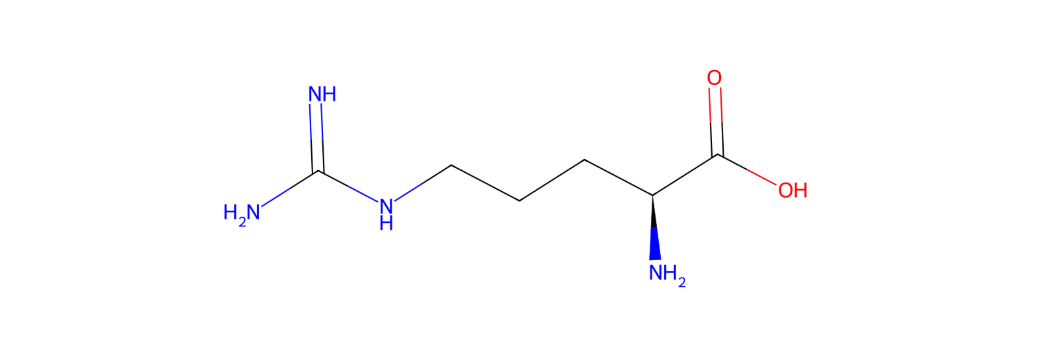
ARGININE
Generic Name: ARGININE
ABSTRACT -
Arginine is a basic amino acid that participates in the urea cycle, nitric oxide synthesis, creatine formation, and protein synthesis. As a medicinal ingredient, L-arginine hydrochloride is used in specific clinical settings such as growth hormone stimulation testing and physician-directed metabolic management of hyperammonemia in urea-cycle disorders. It is also widely sold as an oral supplement, but supplement use is not interchangeable with prescription-grade injectable arginine.
DOSAGE -
- Dosage should be determined only by a qualified healthcare professional.
- For growth-hormone reserve testing, labeled IV arginine hydrochloride regimens include adult dosing up to 30 g infused over about 30 minutes and pediatric weight-based dosing with a maximum total dose of 30 g.
- For urea-cycle disorders or hyperammonemia, dose and route must follow specialist metabolic protocols because incorrect dosing can worsen metabolic acidosis, electrolyte imbalance, or hyperammonemia.
- Oral supplement doses vary widely and should not be used to replace emergency metabolic treatment.
SIDE EFFECTS–
- Nausea, vomiting, abdominal discomfort, flushing, headache, or numbness
- Venous irritation, pain at infusion site, or phlebitis with IV use
- Hyperkalemia, metabolic acidosis, or electrolyte disturbance in susceptible patients
- Hypotension or dizziness, especially with vasodilator medicines
- Worsening asthma symptoms or airway reactivity in sensitive individuals
- Rare hypersensitivity reactions
ALLERGIC REACTIONS -
- Hypersensitivity to arginine or formulation excipients can occur.
- Symptoms may include rash, itching, urticaria, facial swelling, throat tightness, wheeze, severe dizziness, or anaphylaxis.
- Stop exposure and seek urgent care if severe allergy symptoms develop.
DRUG INTERACTIONS–
- Antihypertensive medicines, nitrates, and PDE-5 inhibitors may increase hypotension risk.
- Potassium-sparing diuretics, ACE inhibitors, ARBs, and potassium supplements may increase hyperkalemia risk.
- Medicines affecting glucose control may require additional monitoring because arginine can influence insulin and metabolic responses.
- Avoid combining prescription arginine with unsupervised supplements without clinician review.
PREAUTIONS–
- Check baseline renal function, liver function, electrolytes, acid-base status, glucose, and ammonia when clinically relevant.
- Use caution in renal impairment, severe liver disease, metabolic acidosis, asthma, active herpes infection, or cardiovascular instability.
- IV arginine is hypertonic and should be administered using proper infusion technique.
- Pregnancy, breastfeeding, and pediatric use require clinician-directed risk assessment.
WARNINGS –
- Overdose may cause serious metabolic acidosis, electrolyte changes, hypotension, and clinical deterioration.
- Do not use for self-treatment of hyperammonemia or severe metabolic disease.
- Emergency metabolic crises require urgent specialist management.
- Keep out of reach of children.
Share on -


 . Developed by