

Filter By Category
Archives
Share on -


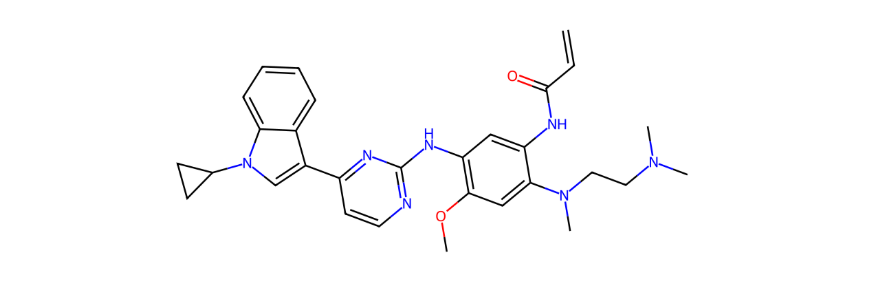
AUMOLERTINIB
Generic Name: AUMOLERTINIB
ABSTRACT -
Aumolertinib, also known as almonertinib or HS-10296, is an oral third-generation epidermal growth factor receptor (EGFR) tyrosine kinase inhibitor active against sensitizing EGFR mutations and the EGFR T790M resistance mutation. It is used or studied in EGFR-mutant non-small cell lung cancer. It has molecular formula C30H35N7O2.
This document is for structured API information only. It is not a prescribing guide. Clinical use, if any, must follow the approved local label, trial protocol, and specialist medical supervision.
DOSAGE -
- Dosage should be determined by a qualified oncology professional according to the approved local label.
- Treatment requires confirmation of appropriate EGFR mutation status when label requires it.
- Dose interruption, reduction, or discontinuation may be needed for toxicity.
- Do not combine with other EGFR inhibitors unless directed by an oncologist.
SIDE EFFECTS-
Possible side effects and safety concerns include:
- Rash, dry skin, itching, acneiform dermatitis, or paronychia
- Diarrhea, nausea, decreased appetite, or mouth sores
- Fatigue, cough, or headache
- Liver enzyme changes, blood-count changes, or QT/cardiac effects may occur
- Rare serious interstitial lung disease or pneumonitis is a class concern.
ALLERGIC REACTIONS -
Hypersensitivity to Aumolertinib or related compounds/products may occur. Symptoms may include:
- Immediate urticaria or generalized rash
- Facial, lip, tongue, or throat swelling
- Wheezing or breathing difficulty
- Dizziness, collapse, or anaphylaxis
Important: Patients who develop an allergic reaction to Aumolertinib should seek immediate medical attention and inform all future healthcare providers of the allergy.
DRUG INTERACTIONS-
Aumolertinib may interact with certain medicines, protocols, vaccines, clinical conditions, or procedures. Caution is needed with:
- Strong CYP3A inhibitors or inducers may alter exposure depending on label guidance.
- QT-prolonging medicines may require ECG or electrolyte monitoring.
- Other anticancer therapies can increase overlapping toxicity.
- Acid-reducing agents and food restrictions should follow local label instructions if applicable.
Patients should inform healthcare providers about all prescription medicines, over-the-counter medicines, herbal products, vaccines, and supplements they are using.
PREAUTIONS–
- Assess lung symptoms, cardiac history, liver function, and interacting medicines before use.
- Monitor for rash, diarrhea, pneumonitis symptoms, ECG changes, and laboratory abnormalities.
- Use effective contraception where embryo-fetal risk applies.
- Manage skin and gastrointestinal toxicities early.
WARNINGS –
- May cause serious lung toxicity; new or worsening shortness of breath, cough, or fever requires urgent evaluation.
- May cause fetal harm; pregnancy prevention may be required.
- Use only under oncology supervision with mutation-guided treatment planning.
- Keep out of reach of children.
Share on -


 . Developed by