

Filter By Category
Archives
Share on -


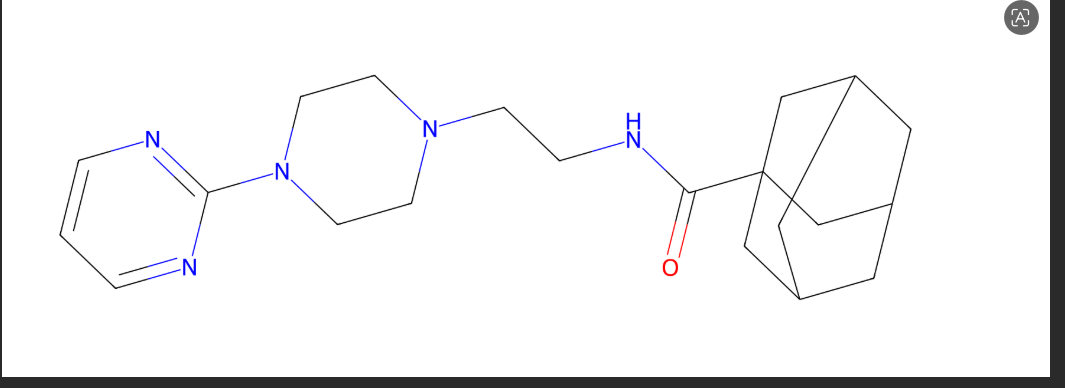
ADATANSERIN
Generic Name: ADATANSERIN
ABSTRACT -
Adatanserin is an investigational adamantyl piperazine derivative with mixed serotonergic activity, described as a 5-HT1A partial agonist and 5-HT2A/5-HT2C antagonist. It was developed for possible antidepressant and anxiolytic activity but was not marketed. Its clinical dosage and routine-use role are not established.
DOSAGE -
An approved, universally established dosage regimen is not available for this investigational or limited-use substance.
- Administration, dose level, schedule, and treatment duration should follow the applicable psychiatry clinical-trial or research protocol.
- Dose escalation, dose interruption, and discontinuation should be determined only by the investigator or treating specialist.
- Do not use for self-medication or outside an approved protocol, prescription, or specialist-supervised setting.
- Monitoring should include clinical assessment and laboratory testing appropriate to the drug class and patient condition.
SIDE EFFECTS -
Reported or potential side effects may include:
- Dizziness
- Sleepiness or sedation
- Headache
- Nausea
- Dry mouth
- Constipation
- Insomnia
- Agitation or anxiety
- Orthostatic hypotension
- Palpitations
- Sexual dysfunction
- Serotonin-related adverse effects
- Rash
- Allergic or hypersensitivity reactions
ALLRGIC REACTIONS–
(These symptoms may indicate an allergic reaction to the drug.)
- Skin rash
- Itching
- Hives
- Swelling of face, lips, tongue, or throat
- Difficulty breathing
- Wheezing
- Severe dizziness
- Rapid heartbeat
- Chest tightness
- Anaphylaxis
- Severe hypersensitivity reactions
DRUG INTERACTIONS–
The full drug-interaction profile has not been completely established. Use caution with:
- SSRIs, SNRIs, MAO inhibitors, TCAs, mirtazapine, trazodone, buspirone, tramadol, linezolid, methylene blue, or St. John's wort
- Other CNS depressants including alcohol, sedatives, opioids, or benzodiazepines
- Antihypertensive medicines that may increase orthostatic symptoms
- Medicines affecting serotonin receptors or QT interval
- Other investigational medicines or therapies used in the same protocol
- Medicines that increase the risk of overlapping organ toxicity
- Immunosuppressive, anticancer, antiviral, cardiovascular, or neurologic medicines when clinically relevant
- Herbal products and supplements with uncertain pharmacologic effects
PREAUTIONS–
- Assess psychiatric history, suicide risk, bipolar disorder risk, seizure history, cardiovascular disease, and concomitant serotonergic drugs.
- Monitor mood, sleep, agitation, blood pressure, dizziness, and signs of serotonin toxicity.
- Use only in settings where qualified healthcare professionals can assess eligibility, monitor response, and manage adverse reactions.
- Review baseline medical history, organ function, concomitant medicines, pregnancy status, and allergy history before use.
- Monitor clinical symptoms and laboratory values as directed by the clinical protocol or treating specialist.
- Use caution in patients with severe hepatic, renal, cardiovascular, infectious, immune, or neurologic disease unless specifically allowed by protocol.
- Use during pregnancy or breastfeeding only if the potential benefit justifies the potential risk and as directed by a physician.
- Safety and effectiveness in pediatric patients may not be established unless specifically studied.
WARNINGS –
- Serotonergic combinations may increase the risk of serotonin syndrome.
- Worsening depression, suicidal thoughts, mania, severe agitation, severe dizziness, or serotonin syndrome symptoms require urgent medical evaluation.
- This medicine is investigational or has limited publicly established clinical-use information; safety, efficacy, optimal dose, and routine clinical role may not be fully established.
- It should not be used for self-medication or substituted for an approved therapy unless directed by a qualified specialist or clinical-trial investigator.
- Treatment should be discontinued and urgent medical care sought if severe allergic reaction, severe adverse reaction, or clinical deterioration is suspected.
- Use only under medical supervision in an appropriate specialist or clinical-trial setting.
- Keep out of reach of children.
- In case of overdose or severe adverse reaction, seek immediate emergency medical attention.
Share on -


 . Developed by