

Filter By Category
Archives
Share on -


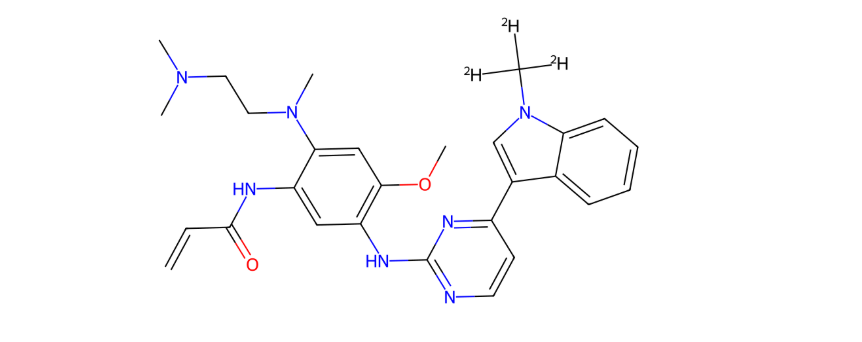
ASANDEUTERTINIB
Generic Name: ASANDEUTERTINIB
ABSTRACT -
Asandeutertinib, also known as TY-9591, is an investigational deuterated epidermal growth factor receptor tyrosine kinase inhibitor with antineoplastic potential. It is being evaluated mainly for EGFR-mutated non-small cell lung cancer, including patients with central nervous system involvement. It is not a routine globally approved EGFR inhibitor at this time.
DOSAGE -
- No approved universal dosage regimen is established.
- Clinical studies have evaluated oral once-daily dosing, including 160 mg once daily in some advanced NSCLC studies, but dosing remains protocol-defined.
- Dose interruption, reduction, or discontinuation should follow trial criteria for rash, diarrhea, pneumonitis, QT prolongation, cardiac dysfunction, or laboratory toxicity.
- Do not substitute for osimertinib or other EGFR TKIs without oncology direction.
SIDE EFFECTS–
- Rash, acneiform dermatitis, dry skin, pruritus, paronychia, or stomatitis
- Diarrhea, nausea, reduced appetite, weight loss, or fatigue
- Interstitial lung disease/pneumonitis, cough, dyspnea, or fever
- QT prolongation, cardiomyopathy, or decreased ejection fraction by EGFR-TKI class concern
- Ocular symptoms, liver enzyme changes, cytopenias, or infection risk
ALLERGIC REACTIONS -
- Allergy may include rash, urticaria, angioedema, dyspnea, severe dizziness, or anaphylaxis.
- Severe cutaneous adverse reaction, blistering, mucosal lesions, or systemic symptoms require urgent care.
DRUG INTERACTIONS-
- Other EGFR TKIs, QT-prolonging drugs, CYP3A inhibitors/inducers, antiarrhythmics, macrolides, fluoroquinolones, azoles, antipsychotics, and antidepressants require review.
- Anticoagulants, antiplatelets, and cancer therapies with overlapping pulmonary, cardiac, hepatic, or skin toxicity require monitoring.
- Avoid unapproved investigational combinations unless protocol-defined.
PREAUTIONS–
- Confirm EGFR mutation profile and disease setting before treatment.
- Assess baseline ECG, electrolytes, cardiac function if indicated, pulmonary history, liver function, ocular symptoms, pregnancy status, and co-medications.
- Monitor skin, diarrhea, lung symptoms, ECG/QT risk, liver enzymes, and blood counts.
- Use effective contraception according to protocol.
WARNINGS –
- New or worsening dyspnea, cough, fever, chest pain, syncope, severe diarrhea, or serious rash requires urgent oncology review.
- Investigational status means long-term safety and comparative efficacy are still being defined.
- Do not use outside a clinical trial or specialist oncology direction.
- Keep out of reach of children.
Share on -


 . Developed by