

Filter By Category
Archives
Share on -


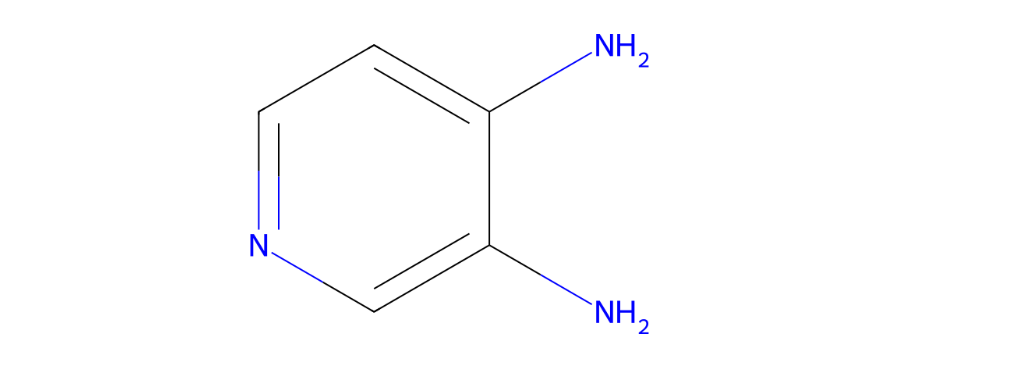
AMIFAMPRIDINE
Generic Name: AMIFAMPRIDINE
ABSTRACT -
Amifampridine is pyridine-3,4-diamine, a voltage-gated potassium-channel blocker used to improve neuromuscular transmission in Lambert-Eaton myasthenic syndrome (LEMS). By prolonging depolarization at the presynaptic nerve terminal, it increases calcium entry and enhances acetylcholine release at the neuromuscular junction. It is available clinically as amifampridine phosphate in approved products for LEMS.
DOSAGE -
Dosage should be determined only by a qualified healthcare professional.
For approved amifampridine phosphate products, treatment is oral and divided through the day; adult therapy is commonly started at 15-30 mg/day in divided doses and titrated according to response and tolerability.
Current U.S. labeling limits include a maximum single dose of 20 mg and a maximum total daily dose of 100 mg for adults and pediatric patients weighing 45 kg or more; pediatric patients under 45 kg have lower limits.
Lower starting doses and careful titration are required in children, renal impairment, hepatic impairment, or NAT2 poor metabolizers.
SIDE EFFECTS–
Possible side effects may include:
- Paresthesia or tingling sensations
- Abdominal pain, nausea, diarrhoea, or dyspepsia
- Headache or dizziness
- Upper respiratory symptoms
- Elevated liver enzymes
- Seizures, especially at higher exposure or in predisposed patients
ALLRGIC REACTIONS–
Hypersensitivity to amifampridine phosphate or another aminopyridine is a contraindication. Symptoms may include:
- Rash or urticaria
- Facial, lip, tongue, or throat swelling
- Wheezing or breathing difficulty
- Severe hypersensitivity or anaphylaxis
Important: Patients who develop an allergic reaction to Amifampridine should seek immediate medical attention and inform all future healthcare providers of the allergy.
DRUG INTERACTIONS–
Amifampridine may interact with certain medicines or substances. Caution is needed with:
- Drugs that lower the seizure threshold may increase seizure risk.
- Other aminopyridines may increase exposure or toxicity and should generally be avoided.
- Cholinesterase inhibitors or other LEMS therapies may require clinical monitoring for additive effects.
- Renal or hepatic impairment may increase exposure and adverse reactions.
Patients should inform healthcare providers about all prescription medicines, over-the-counter medicines, herbal products, and supplements they are using.
PREAUTIONS–
- Assess seizure history before starting therapy.
- Use careful dose titration and monitor tolerability, especially in children and patients with renal or hepatic impairment.
- Pregnancy and lactation safety should be assessed individually.
- Do not exceed the prescribed single-dose or daily-dose limits.
WARNINGS –
- Contraindicated in patients with a history of seizures.
- Seizures have occurred with amifampridine, including in patients without prior seizure history.
- Stop treatment and seek urgent medical attention if serious hypersensitivity occurs.
- Keep out of reach of children.
Share on -


 . Developed by