

Filter By Category
Archives
Share on -


AMEDIPLASE
Generic Name: AMEDIPLASE
ABSTRACT -
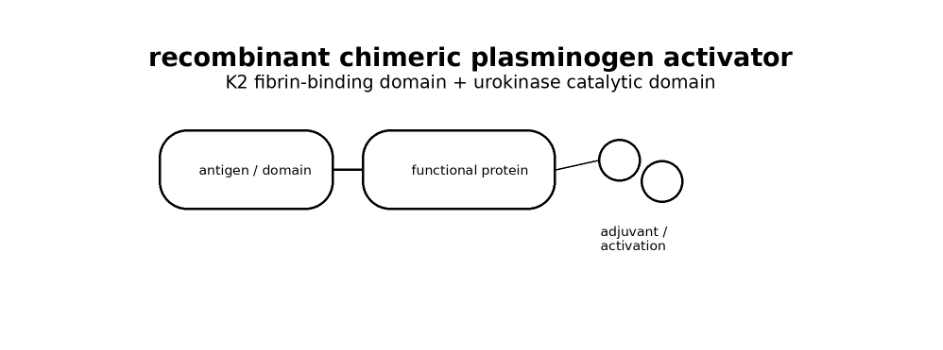
Amediplase is an investigational recombinant chimeric plasminogen activator designed as a thrombolytic protein. It combines a fibrin-binding kringle-2 domain derived from tissue-type plasminogen activator with a urokinase-type catalytic domain, aiming to activate plasminogen at fibrin-rich thrombi. Because it is a biologic protein, it does not have a simple small-molecule skeletal chemical structure.
This document is for structured API information only. It is not a prescribing guide. Clinical use, if any, must follow the approved local label, trial protocol, and specialist medical supervision.
DOSAGE -
Dosage should be determined only by a qualified healthcare professional.
- No approved routine dosing schedule is established.
- Any administration would require an emergency-care or clinical-trial thrombolysis protocol.
- Dose selection depends on indication, body weight, time from symptom onset, imaging/diagnostic confirmation, and bleeding-risk assessment.
SIDE EFFECTS–
Possible side effects and safety concerns include:
- Bleeding at venepuncture, catheter, or surgical sites
- Major haemorrhage, including gastrointestinal, retroperitoneal, or intracranial bleeding
- Hypotension, fever, chills, or infusion reaction
- Nausea or vomiting
- Reperfusion arrhythmias in myocardial-infarction settings
- Allergic or antibody-mediated reactions
ALLRGIC REACTIONS–
Hypersensitivity to Amediplase or related compounds/products may occur. Symptoms may include:
- Infusion reaction
- Rash or urticaria
- Bronchospasm
- Facial or throat swelling
- Anaphylaxis
Important: Patients who develop an allergic reaction to Amediplase should seek immediate medical attention and inform all future healthcare providers of the allergy.
DRUG INTERACTIONS–
Amediplase may interact with certain medicines, vaccines, protocols, or clinical conditions. Caution is needed with:
- Anticoagulants such as heparin, warfarin, or direct oral anticoagulants increase bleeding risk.
- Antiplatelet agents and NSAIDs may increase haemorrhage risk.
- Other thrombolytics or fibrinolytics should generally be avoided unless protocol-directed.
- Recent invasive procedures, trauma, or surgery increase bleeding risk even without a drug interaction.
Patients should inform healthcare providers about all prescription medicines, over-the-counter medicines, herbal products, vaccines, and supplements they are using.
PREAUTIONS–
- Exclude intracranial haemorrhage and other contraindications before any thrombolytic use.
- Monitor neurological status, blood pressure, coagulation parameters, and signs of bleeding.
- Use only where emergency resuscitation and bleeding-management support are available.
- Pregnancy, recent stroke, uncontrolled hypertension, and recent surgery require strict specialist risk assessment.
WARNINGS –
- Thrombolytic therapy can cause fatal bleeding, including intracranial haemorrhage.
- Do not use without confirmed indication and specialist emergency supervision.
- Avoid intramuscular injections and unnecessary invasive procedures during thrombolytic exposure.
- Keep out of reach of children.
Share on -


 . Developed by