

Filter By Category
Archives
Share on -


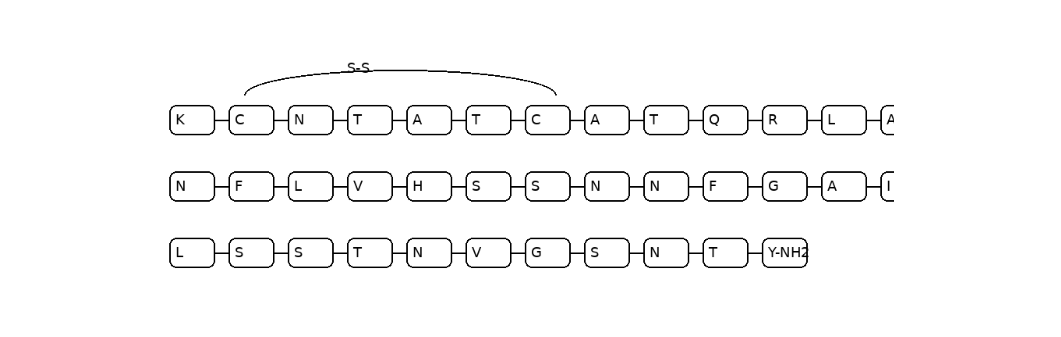
AMILINTIDE
Generic Name: AMILINTIDE
ABSTRACT -
Amilintide is an INN-listed peptide associated with human amylin/islet amyloid polypeptide (IAPP), a 37-amino-acid pancreatic beta-cell hormone cosecreted with insulin. Amylin physiology includes slowing gastric emptying, reducing post-meal glucagon secretion, and promoting satiety. Public clinical drug-label information for amilintide itself is limited; it should not be confused with the approved amylin analogue pramlintide.
DOSAGE -
Dosage should be determined only by a qualified healthcare professional.
No approved dosage regimen for amilintide as a marketed medicinal product is available from standard public labeling.
Clinical or research use would require peptide-specific protocol dosing, injection route, storage, and monitoring.
Do not substitute amilintide for pramlintide or other diabetes medicines.
SIDE EFFECTS–
Possible side effects may include:
- Nausea or vomiting, consistent with amylin-pathway activity
- Reduced appetite or early satiety
- Possible delayed gastric emptying
- Injection-site reactions if administered parenterally
- Potential glucose-management effects when combined with insulin or antidiabetic therapy
ALLRGIC REACTIONS–
Hypersensitivity to an amylin peptide or formulation excipients may occur. Symptoms may include:
- Rash or urticaria
- Pruritus
- Swelling of the face, lips, or throat
- Wheezing or breathing difficulty
- Severe hypersensitivity symptoms
Important: Patients who develop an allergic reaction to Amilintide should seek immediate medical attention and inform all future healthcare providers of the allergy.
DRUG INTERACTIONS–
Amilintide may interact with certain medicines or substances. Caution is needed with:
- Insulin and glucose-lowering drugs may require careful monitoring because amylin-pathway agents can affect postprandial glucose.
- Medicines requiring rapid gastrointestinal absorption may be affected by delayed gastric emptying.
- Other agents causing nausea or delayed gastric emptying may increase intolerance.
- Patients should disclose all prescription, OTC, herbal, and supplement use.
Patients should inform healthcare providers about all prescription medicines, over-the-counter medicines, herbal products, and supplements they are using.
PREAUTIONS–
- Use only where identity, formulation, and protocol are clearly verified.
- Monitor glucose carefully if used in diabetes-related research.
- Avoid use in severe gastroparesis unless specifically justified by protocol.
- Pregnancy and lactation safety are not established.
WARNINGS –
- Amilintide is not a standard marketed drug with established labeling.
- Confusion with pramlintide or native amylin products can lead to dosing errors.
- Peptide medicines require correct storage and handling to preserve stability.
- Keep out of reach of children.
Share on -


 . Developed by