

Filter By Category
Archives
Share on -


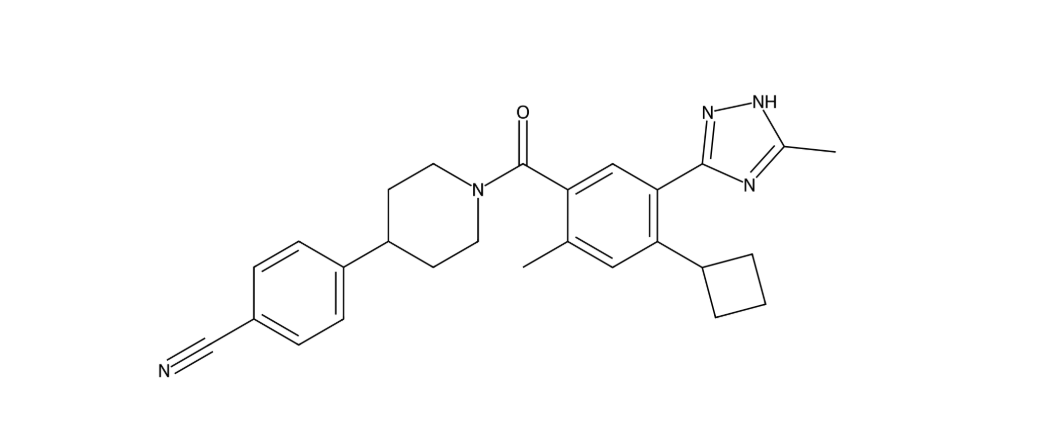
DENIFANSTAT
Generic Name: DENIFANSTAT
ABSTRACT -
Denifanstat is a fatty-acid synthase inhibitor small molecule under oncology and metabolic-disease investigation. The structure above is a regenerated high-resolution 2D bond-line image from a curated machine-readable structure. Calculated formula: C27H29N5O; calculated molecular weight: 439.56 g/mol. The identity was checked by parsing the structure and comparing the calculated formula with the expected source formula when available.
This document is for structured API information only. It is not a prescribing guide. Clinical use, if any, must follow the approved local label, clinical-trial protocol, and specialist medical supervision.
DOSAGE -
- Use only the approved local label, investigational protocol, or specialist direction for the exact dose and schedule.
- Dose may vary by salt/formulation, indication, organ function, route, and concomitant therapy.
- Do not extrapolate dosing from the structure image or from this structured monograph.
- For investigational APIs, administration should occur only under authorized clinical or laboratory protocols.
SIDE EEFECTS -
Possible side effects and safety concerns include:
- Adverse effects depend on the route, dose, indication, salt/form, and patient comorbidities.
- Possible effects include gastrointestinal symptoms, headache, dizziness, rash, laboratory abnormalities, or organ-specific toxicity.
- CNS, cardiovascular, hepatic, renal, hematologic, endocrine, or immune effects may occur depending on the compound class.
- Unexpected or severe symptoms require prompt medical review and pharmacovigilance reporting where applicable.
ALLERGIC REACTIONS -
Hypersensitivity to denifanstat or related compounds/products may occur. Symptoms may include:
- Immediate urticaria, itching, flushing, or generalized rash
- Facial, lip, tongue, or throat swelling
- Wheezing, chest tightness, or breathing difficulty
- Dizziness, fainting, severe hypotension, or collapse
- Anaphylaxis, although uncommon, requires emergency medical treatment
Important: Patients who develop an allergic reaction to denifanstat should seek immediate medical attention and inform all future healthcare providers of the allergy.
DRUG INTERACTIONS-
Denifanstat may interact with certain medicines, biologics, vaccines, clinical protocols, or medical conditions. Caution is needed with:
- Avoid assuming class interactions without checking the current label, metabolism data, transporter profile, and contraindications.
- Use caution with drugs that affect the same pharmacologic pathway or increase overlapping organ toxicity.
- CYP/transporter inhibitors or inducers may matter for some small molecules; verify substance-specific data.
- Patients should report prescription medicines, over-the-counter medicines, vaccines, herbals, and supplements.
Patients should inform healthcare providers about all prescription medicines, over-the-counter medicines, herbal products, vaccines, and supplements they are using.
PREAUTONS–
- Verify API identity, spelling, salt/form, strength, route, indication, and local regulatory status before use.
- Review renal, hepatic, hematologic, cardiovascular, immune, pregnancy, and lactation considerations as applicable.
- Monitor clinical status and laboratory parameters according to the approved label or clinical protocol.
- Use only within qualified medical, pharmacy, manufacturing, or research systems with appropriate documentation.
WARNINGS –
- Serious allergic reactions, severe organ toxicity, CNS effects, cardiovascular events, or drug-specific adverse reactions are possible.
- Seek urgent care for breathing difficulty, facial swelling, severe rash, fainting, chest pain, severe abdominal pain, jaundice, seizures, or collapse.
- This document is not a substitute for the current approved label, protocol, or specialist medical judgment.
- Keep out of reach of children.
Structure quality note: verified by RDKit parse and formula check. Source category: PubChemLite structure record.
Share on -


 . Developed by