

Filter By Category
Archives
Share on -


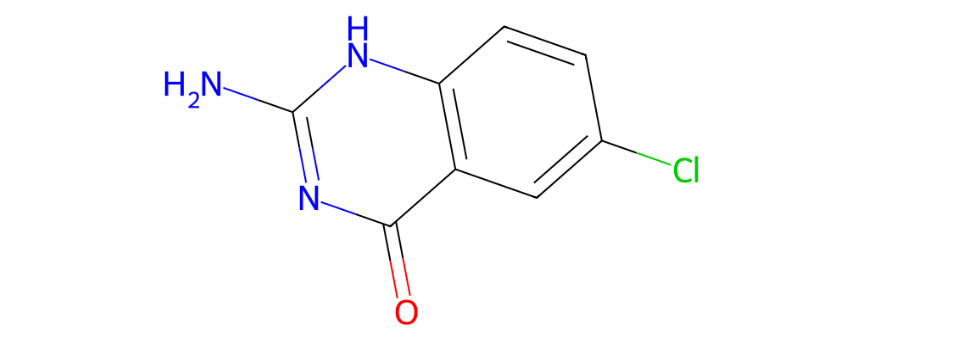
CHLORDIAZEPOXIDE
Generic Name: CHLORDIAZEPOXIDE
ABSTRACT -
Chlordiazepoxide (Librium) is the first clinically introduced benzodiazepine, approved for anxiety disorders, acute alcohol withdrawal, and preoperative anxiety. It acts as a positive allosteric modulator of GABA-A receptors, potentiating chloride ion conductance and producing anxiolysis, sedation, anticonvulsant activity, and muscle relaxation. Its active metabolites (norchlordiazepoxide, demoxepam) have long half-lives contributing to prolonged effects.
DOSAGE -
Anxiety: 5–25 mg orally 3–4 times daily; Alcohol withdrawal: 50–100 mg every 6 hours on day 1, tapering over 5 days; Preoperative: 5–10 mg 3–4 times daily in the days before surgery.
SIDE EEFECTS -
- Drowsiness and sedation
- Ataxia
- Cognitive impairment
- Dependence and withdrawal syndrome
- Paradoxical excitement (rare, especially in elderly)
ALLERGIC REACTIONS -
These symptoms may indicate an allergic reaction and require immediate medical attention.
- Skin rash
- Urticaria
- Angioedema
- Anaphylaxis (rare)
DRUG INTERACTIONS-
- CNS depressants (opioids, alcohol, antipsychotics) — additive respiratory depression and sedation (potentially fatal with opioids)
- CYP3A4 inhibitors (ketoconazole, erythromycin) — increase benzodiazepine levels
- CYP inducers (rifampicin, carbamazepine) — reduce efficacy
PREAUTONS–
- Prescribe for shortest possible duration at lowest effective dose
- Taper dose gradually on discontinuation — abrupt withdrawal causes seizures
- Elderly: reduce dose by 50% — increased sensitivity and fall risk
- Respiratory disease: caution — benzodiazepines reduce respiratory drive
WARNINGS –
- Concomitant opioid use: risk of profound sedation, respiratory depression, coma, and death — use only when no alternatives exist
- Physical and psychological dependence — risk increases with dose and duration
- Neonatal withdrawal syndrome and floppy infant if used in pregnancy
Share on -


 . Developed by