

Filter By Category
Archives
Share on -


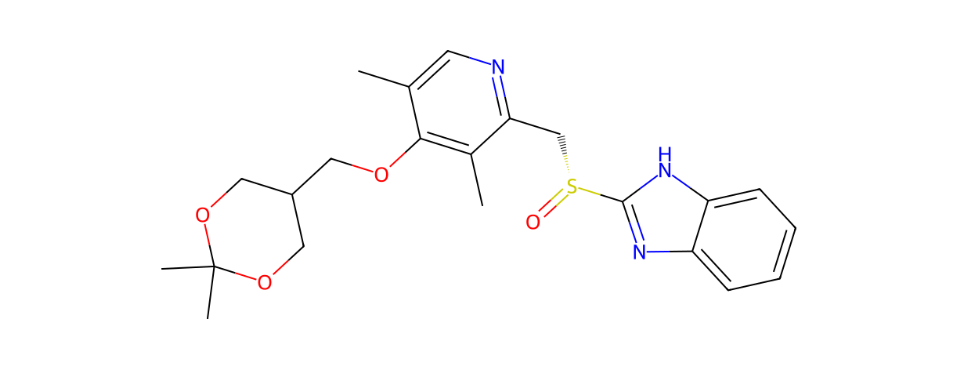
AZELOPRAZOLE
Generic Name: AZELOPRAZOLE
ABSTRACT -
Azeloprazole, also known as Z-215 or E3710, is a benzimidazole-sulfoxide proton pump inhibitor investigated for acid-related disorders such as gastroesophageal reflux disease. It is designed to inhibit gastric H+/K+-ATPase and suppress acid secretion. Routine clinical use depends on local regulatory status and approved labeling. Molecular formula: C₂₂H₂₇N₃O₄S; molecular weight: 429.54 g/mol. Development/regulatory status: Investigational/experimental in many regions.
This document is for structured API information only. It is not a prescribing guide. Clinical use, if any, must follow the approved local label, trial protocol, and specialist medical supervision.
DOSAGE-
- Dose should follow the approved local label or clinical-trial protocol.
- No universal approved routine dosing schedule can be stated across regions.
- Administration is oral in studied formulations and should be supervised by a healthcare professional.
- Dose selection depends on indication, CYP2C19 status considerations, hepatic function, and concomitant medicines.
SIDE EFFECTS-
Possible side effects and safety concerns include:
- Headache, nausea, diarrhoea, constipation, or abdominal discomfort
- Flatulence, dry mouth, dizziness, or fatigue
- Possible hypomagnesemia, vitamin B12 deficiency, or bone-risk concerns with long-term PPI exposure
- Rare hepatic enzyme changes or kidney inflammation reported with the PPI class
- Rash or hypersensitivity reactions
ALLERGIC REACTIONS -
Hypersensitivity to azeloprazole or related compounds/products may occur. Symptoms may include:
- Infusion reaction or injection-site reaction where applicable
- Rash or urticaria
- Bronchospasm or breathing difficulty
- Facial, lip, tongue, or throat swelling
- Anaphylaxis
Important: Patients who develop an allergic reaction to azeloprazole should seek immediate medical attention and inform all future healthcare providers of the allergy.
DRUG INTERACTIONS-
- Medicines requiring acidic gastric pH for absorption may be affected.
- Warfarin, antiretrovirals, azole antifungals, iron salts, and some anticancer medicines require review.
- Other acid suppressants may duplicate therapy unless directed.
- Patients should disclose all prescription medicines, OTC medicines, supplements, and herbal products.
PREAUTIONS–
- Evaluate alarm symptoms such as weight loss, bleeding, dysphagia, or persistent vomiting before long-term acid suppression.
- Use caution in hepatic impairment and with prolonged therapy.
- Monitor magnesium, renal function, and infection risk when clinically indicated.
WARNINGS –
- Not a substitute for evaluation of serious gastrointestinal disease.
- Seek care for severe diarrhoea, allergic reaction, black stools, chest pain, or persistent vomiting.
- Keep out of reach of children.
Share on -


 . Developed by