

Filter By Category
Archives
Share on -


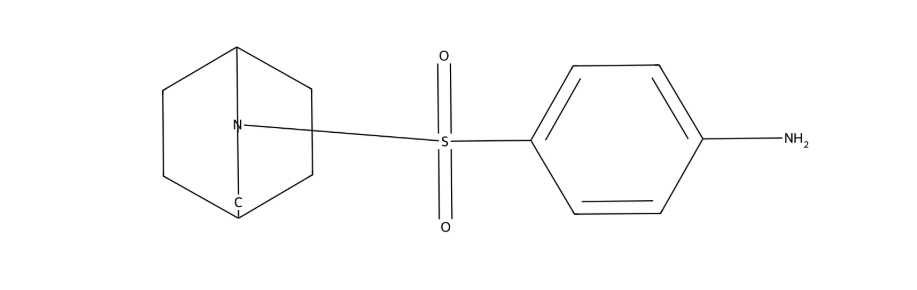
AZABON
Generic Name: AZABON
ABSTRACT -
Azabon is a small-molecule sulfonamide compound described as a central nervous system stimulant/nootropic research agent. Its molecular formula is C₁₄H₂₀N₂O₂S, with molecular weight approximately 280.39 g/mol. The chemical representation above shows the 2D skeletal structure.
This document is for structured API information only. It is not a prescribing guide. Clinical use, if any, must follow the approved local label, trial protocol, and specialist medical supervision.
DOSAGE-
- Dosage should be determined only by a qualified healthcare professional or research protocol.
- Use only according to an approved local label or supervised research protocol.
- Dose and monitoring may differ by neurologic, cardiovascular, hepatic, renal, and psychiatric status.
- Do not use as an unsupervised stimulant or cognitive-enhancement product.
SIDE EFFECTS-
Possible side effects and safety concerns include:
- Insomnia, nervousness, anxiety, irritability, tremor, headache, or dizziness
- Palpitations, increased heart rate, blood pressure changes, or chest discomfort
- Nausea, dry mouth, reduced appetite, abdominal discomfort, or sweating
- Rash, photosensitivity, or sulfonamide-type hypersensitivity symptoms are possible
- Seizure risk or psychiatric symptoms may occur in susceptible patients
ALLERGIC REACTIONS -
Hypersensitivity to Azabon or related compounds/products may occur. Symptoms may include:
- Immediate urticaria, itching, flushing, or generalized rash
- Facial, lip, tongue, or throat swelling
- Wheezing, chest tightness, or breathing difficulty
- Dizziness, fainting, severe hypotension, or collapse
- Anaphylaxis, although uncommon, requires emergency medical treatment
Important: Patients who develop an allergic reaction to Azabon should seek immediate medical attention and inform all future healthcare providers of the allergy.
DRUG INTERACTIONS-
Azabon may interact with certain medicines, biologics, vaccines, protocols, or clinical conditions. Caution is needed with:
- Other CNS stimulants, sympathomimetics, caffeine excess, or decongestants may increase cardiovascular or nervous-system effects.
- MAO inhibitors and adrenergic agents may increase hypertensive or stimulant risk.
- Medicines that lower seizure threshold or affect mood require caution.
- Patients should report all medicines, supplements, and herbal products.
Patients should inform healthcare providers about all prescription medicines, over-the-counter medicines, herbal products, vaccines, and supplements they are using.
PREAUTIONS–
- Assess cardiovascular disease, hypertension, seizure history, anxiety, insomnia, and sulfonamide allergy before use.
- Monitor blood pressure, heart rate, sleep, mood, neurologic symptoms, and rash.
- Use caution in patients with hepatic or renal impairment.
- Pregnancy and lactation require individualized medical review.
WARNINGS –
- Unsupervised stimulant use may cause serious cardiovascular, psychiatric, or neurologic events.
- Sulfonamide hypersensitivity can be severe and requires prompt evaluation.
- Avoid use with contraindicated stimulants or MAO inhibitors unless specifically supervised.
- Keep out of reach of children.
Share on -


 . Developed by