

Filter By Category
Archives
Share on -


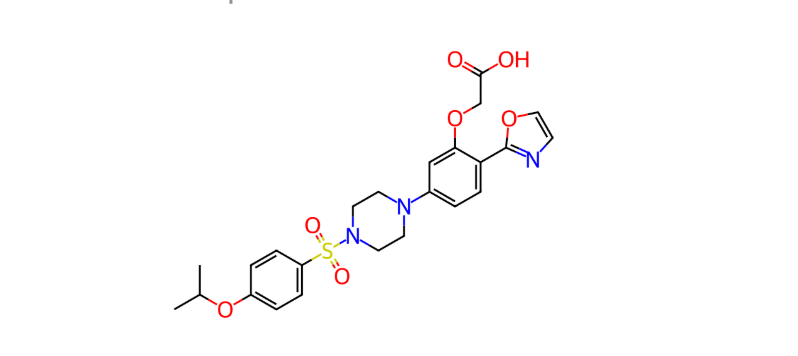
ASAPIPRANT
Generic Name: ASAPIPRANT
ABSTRACT -
Asapiprant, also known as S-555739, is an investigational small-molecule antagonist of the prostaglandin D2 DP1 receptor. DP1 signaling can contribute to inflammatory airway responses, vascular effects, and allergic-disease biology. Asapiprant has been studied primarily in allergic rhinitis, allergic asthma, inflammatory models, and exploratory antiviral/inflammation research. It is not an established routine clinical medicine and should be used only in a specialist or protocol-directed setting.
DOSAGE -
No universally approved dosage is established. Clinical use, if any, must follow a protocol or specialist direction. Oral dosing has been evaluated in controlled studies for allergic/inflammatory indications; dose, duration, and monitoring depend on the study design.
SIDE EFFECTS–
- Possible or reported side effects may include:
- Headache
- Nasopharyngitis or upper-respiratory symptoms
- Nausea or abdominal discomfort
- Dizziness
- Fatigue
- Rash or itching
- Laboratory abnormalities reported during studies
- Possible worsening of respiratory symptoms in susceptible patients
ALLERGIC REACTIONS -
- Hypersensitivity to the active substance or excipients is possible.
- Monitor for rash, urticaria, facial swelling, wheeze, chest tightness, severe dizziness, or anaphylaxis.
DRUG INTERACTIONS-
- Use caution with:
- Other anti-asthma or anti-allergy medicines with overlapping effects
- CYP-metabolized medicines where exposure changes are suspected
- Systemic corticosteroids or biologics used in the same trial
- Other investigational products
- Patients should inform healthcare providers about all prescription medicines, over-the-counter medicines, herbal products, and supplements they are using.
PREAUTIONS–
- Confirm the indication, study protocol, and eligibility before use.
- Assess asthma control, acute bronchospasm risk, infection status, pregnancy status, and hepatic/renal function when relevant.
- Do not substitute for rescue bronchodilator therapy or established controller therapy in acute asthma.
- Review all concomitant respiratory, allergy, and anti-inflammatory medicines before administration.
WARNINGS –
- Not for self-medication or unsupervised asthma treatment.
- Seek urgent care for severe breathing difficulty or allergic reaction.
- Keep out of reach of children.
- In case of overdose, severe reaction, or clinical deterioration, seek immediate medical attention.
Share on -


 . Developed by