

Filter By Category
Archives
Share on -


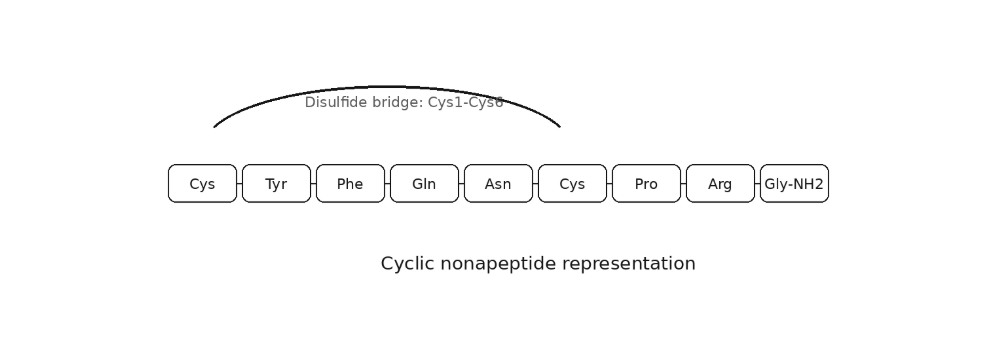
ARGIPRESSIN
Generic Name: ARGIPRESSIN
ABSTRACT -
Argipressin is synthetic arginine vasopressin, a nonapeptide identical to endogenous antidiuretic hormone. It acts mainly at V1 vascular receptors to increase systemic vascular resistance and at V2 renal receptors to promote water reabsorption. In modern critical-care use, vasopressin injection is used as an adjunct vasopressor for adults with vasodilatory shock who remain hypotensive despite fluids and catecholamines.
DOSAGE -
- Dosage should be determined only by a qualified healthcare professional.
- For vasodilatory shock, IV infusion regimens are titrated in intensive-care settings according to blood pressure response, organ perfusion, and product labeling.
- Common labeled ranges include low-dose continuous infusions for septic shock or post-cardiotomy shock; the exact starting dose, titration, maximum dose, and taper must follow the local label/protocol.
- Do not administer undiluted or by unsupervised routes.
SIDE EFFECTS–
- Decreased cardiac output, bradycardia, tachyarrhythmias, hypertension, or hypotension during dose changes
- Coronary, mesenteric, skin, or digital ischemia
- Hyponatremia, water retention, or reversible diabetes insipidus after discontinuation
- Headache, pallor, sweating, abdominal cramps, nausea, or injection-site problems
- Tissue injury if extravasation occurs
ALLERGIC REACTIONS -
- Contraindicated in patients with known hypersensitivity to 8-L-arginine vasopressin or relevant preservatives/excipients.
- Symptoms may include rash, urticaria, bronchospasm, facial swelling, severe hypotension, or anaphylaxis.
- Stop infusion and treat urgently if serious hypersensitivity occurs.
DRUG INTERACTIONS–
- Catecholamines and other vasopressors can have additive pressor and ischemic effects.
- Diuretics, desmopressin, and medicines affecting sodium/water balance may alter hyponatremia or antidiuretic risk.
- Medicines that slow heart rate or affect conduction may increase bradycardia or arrhythmia risk.
- Concurrent vasoconstrictors may increase ischemic complications.
PREAUTIONS–
- Use only with continuous hemodynamic monitoring in an appropriate critical-care environment.
- Assess cardiac output, lactate, peripheral perfusion, urine output, serum sodium, and ischemic symptoms.
- Use caution in coronary artery disease, peripheral vascular disease, mesenteric ischemia risk, heart failure, seizure disorder, or hyponatremia.
- Taper as directed after hemodynamic stability to reduce rebound hypotension or water-balance changes.
WARNINGS –
- Can worsen cardiac function and cause life-threatening ischemia.
- Extravasation may cause tissue injury.
- Use in shock must not delay source control, fluids, antibiotics, or other essential care.
- Keep out of reach of children.
Share on -


 . Developed by