

Filter By Category
Archives
Share on -


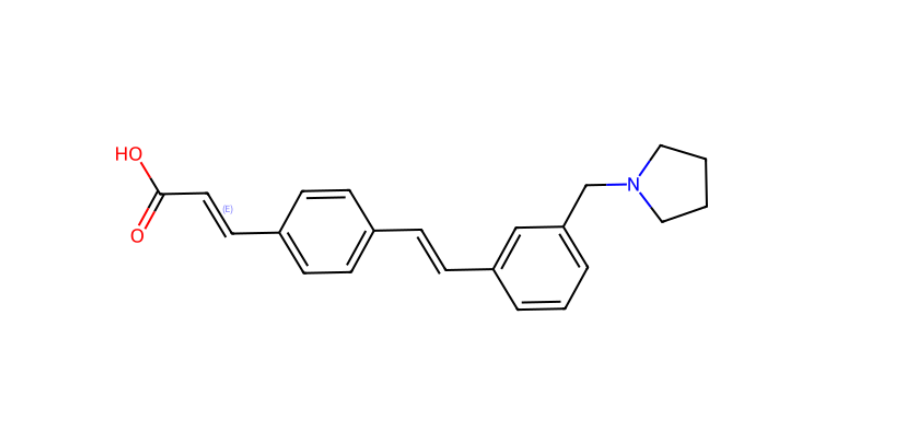
ACRIVASTINE
Generic Name: ACRIVASTINE
ABSTRACT -
Acrivastine is a short-acting, second-generation antihistamine (H1 receptor antagonist) used for the symptomatic relief of allergic conditions including allergic rhinitis, urticaria, and hay fever. It has relatively low sedating potential compared to first-generation antihistamines. It is often formulated in combination with pseudoephedrine for additional nasal decongestant effect.
DOSAGE -
Acrivastine standard adult dose: 8 mg three times daily. Maximum daily dose: 24 mg. Often combined with pseudoephedrine (60 mg) in capsule formulations. Not recommended in children under 12. Dose adjustment required in renal impairment.
SIDE EFFECTS –
Reported or potential side effects may include:
- Drowsiness (mild)
- Dry mouth
- Headache
- Dizziness
- Nausea
- Fatigue
- Urinary retention (with pseudoephedrine combination)
ALLRGIC REACTIONS–
(These symptoms may indicate an allergic reaction to the drug.)
- Hypersensitivity reactions
- Skin rash
- Urticaria
- Angioedema
- Anaphylaxis (rare)
DRUG INTERACTIONS–
- CNS depressants (additive sedation)
- Alcohol (enhanced sedation)
- MAO inhibitors (with pseudoephedrine combination)
- Other antihistamines
PREAUTIONS–
- Use with caution in renal impairment (accumulation risk).
- Avoid in severe renal failure.
- Caution when driving or operating machinery.
- Not recommended during pregnancy or breastfeeding without physician advice.
- Caution in elderly patients.
WARNINGS –
- Avoid in patients with severe renal impairment.
- Combination products with pseudoephedrine contraindicated in hypertension.
- Do not exceed recommended dose.
- Keep out of reach of children.
- Seek medical attention for severe allergic reactions.
Share on -


 . Developed by