

Filter By Category
Archives
Share on -


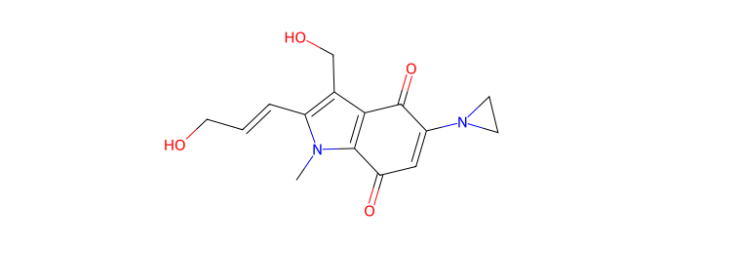
APAZIQUONE
Generic Name: APAZIQUONE
ABSTRACT -
Apaziquone is a bioreductive alkylating agent related to mitomycin chemistry.
It has been investigated for intravesical treatment of non-muscle invasive bladder cancer after transurethral resection.
It is not approved for routine clinical use in many regions.
DOSAGE -
- Dosage should be determined only by a qualified oncology/urology professional.
- Clinical studies evaluated single-dose intravesical administration after bladder tumor resection according to protocol.
- No universally approved standard dose is established.
- Avoid systemic or non-protocol administration.
SIDE EFFECTS–
- Possible side effects may include:
- Dysuria
- Hematuria
- Bladder pain or spasm
- Urinary frequency or urgency
- Urinary tract infection
- Fatigue
- Nausea
- Local chemical cystitis
ALLERGIC REACTIONS -
- Hypersensitivity to the active compound or excipients is possible.
- Symptoms may include skin rash, urticaria, pruritus, facial swelling, wheezing, dizziness, or anaphylaxis.
- Patients with a suspected allergic reaction should stop treatment and seek urgent medical attention.
DRUG INTERACTIONS–
- Other intravesical agents may increase bladder irritation.
- Systemic cytotoxic therapy may add myelosuppression or mucosal toxicity.
- Anticoagulants may increase bleeding concerns after resection.
PREAUTIONS–
- Confirm bladder integrity before intravesical instillation.
- Avoid use with bladder perforation or significant extravasation risk.
- Monitor urinary symptoms and infection.
- Use protective handling procedures for cytotoxic agents.
WARNINGS –
- Cytotoxic agent; handle with appropriate precautions.
- Extravasation or bladder injury can cause serious local toxicity.
- Use only under oncology/urology protocol supervision.
Share on -


 . Developed by