

Filter By Category
Archives
Share on -


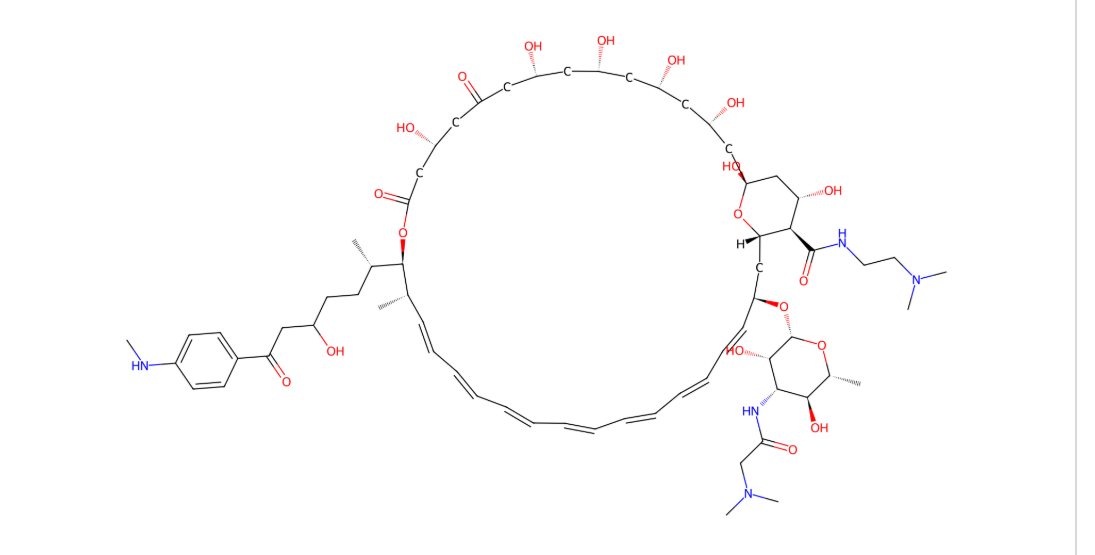
AMCIPATRICIN
Generic Name: AMCIPATRICIN
ABSTRACT -
Amcipatricin, also known as SPK-843, is a semi-synthetic water-soluble partricin/polyene antifungal derivative studied for systemic fungal infections. It is related to the polyene antifungal class and is intended to act through fungal cell membrane sterol interactions that disrupt membrane integrity.
It has been studied in relation to Candida, Cryptococcus, and Aspergillus infections, but it is not established as a routinely approved antifungal medicine.
DOSAGE -
Dosage should be determined only by a qualified healthcare professional.
No approved routine dosing regimen is established for Amcipatricin.
Investigational studies have evaluated intravenous administration under controlled clinical protocols.
Do not use outside authorized clinical-trial, compassionate-use, or specialist research settings.
SIDE EFFECTS–
Possible side effects based on polyene antifungal pharmacology and limited clinical data include:
- Infusion-related fever, chills, or flushing
- Nausea or vomiting
- Headache
- Kidney function changes
- Electrolyte abnormalities such as low potassium or magnesium
- Liver enzyme abnormalities
- Rash or pruritus
- Anemia or blood-count changes
- Unknown severe toxicities due to investigational status
ALLRGIC REACTIONS–
Hypersensitivity to Amcipatricin, related polyene compounds, or formulation components is possible.
Symptoms may include:
- Skin rash or hives
- Itching or swelling of the face, lips, tongue, or throat
- Difficulty breathing or chest tightness
- Severe dizziness or fainting
- Unexpected widespread redness, blistering, or peeling skin
Important: Patients who develop an allergic reaction to Amcipatricin should seek immediate medical attention and inform all future healthcare providers of the allergy.
DRUG INTERACTIONS–
Drug-interaction data are limited. Caution is needed with:
- Other nephrotoxic drugs such as aminoglycosides, amphotericin B, or calcineurin inhibitors
- Diuretics or medicines that disturb potassium or magnesium levels
- Other systemic antifungals used in combination protocols
- Immunosuppressants in transplant or oncology patients
- Any investigational medicine unless permitted by protocol
Patients should inform healthcare providers about all prescription medicines, over-the-counter medicines, herbal products, and supplements they are using.
PREAUTIONS–
Monitor renal function, liver enzymes, electrolytes, and blood counts during any systemic exposure.
- Administer only in settings equipped to manage infusion reactions.
- Correct electrolyte abnormalities before and during treatment.
- Safety in pregnancy, lactation, and children is not established.
- Systemic fungal infections require infectious-disease specialist management.
WARNINGS –
- Amcipatricin is investigational and not a substitute for approved systemic antifungal therapy.
- Polyene-like antifungals can cause serious infusion reactions and renal/electrolyte toxicity.
- Seek urgent care for severe chills, shortness of breath, fainting, reduced urine output, or arrhythmia symptoms.
- Use only under authorized specialist supervision.
- Keep out of reach of children.
Share on -


 . Developed by