

Filter By Category
Archives
Share on -


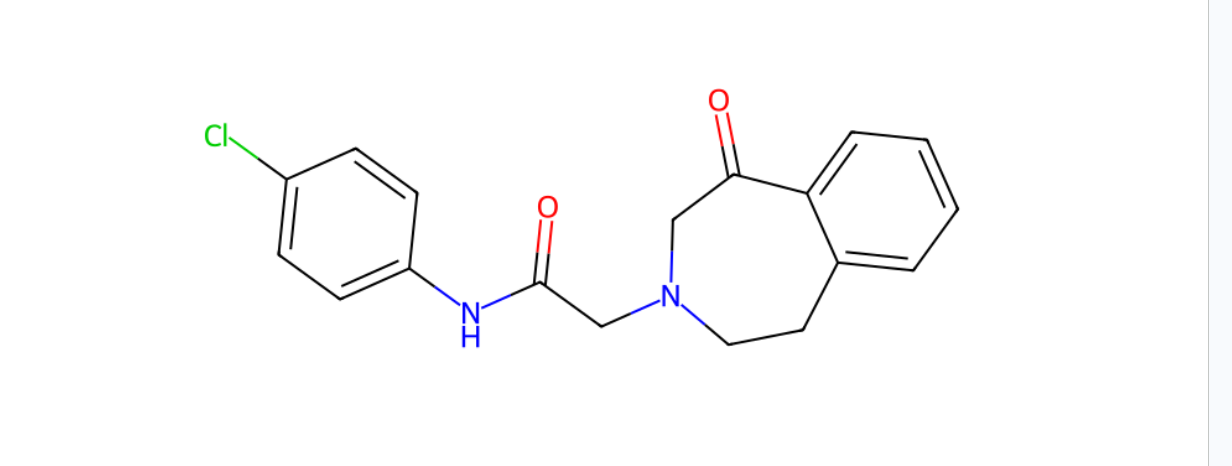
CILOBRADINE
Generic Name: CILOBRADINE
ABSTRACT -
Cilobradine is a selective inhibitor of the hyperpolarization-activated cyclic nucleotide-gated (HCN) channel responsible for the cardiac funny current (If), reducing heart rate without affecting myocardial contractility. It was investigated as a pure heart rate-lowering agent for stable angina.
DOSAGE -
Investigated at 5–20 mg orally once daily; dose-dependent heart rate reduction observed in trials.
SIDE EEFECTS -
- Bradycardia
- Visual phosphenes (luminous phenomena)
- Dizziness
- Headache
- Fatigue
ALLERGIC REACTIONS -
(These symptoms may indicate an allergic reaction and require medical attention.)
- Rash or skin reactions
- Urticaria
- Hypersensitivity
- Pruritus
DRUG INTERACTIONS-
- CYP3A4 inhibitors (e.g., ketoconazole, clarithromycin) increase cilobradine levels
- Concurrent beta-blockers increase bradycardia risk
- QT-prolonging agents require ECG monitoring
PREAUTONS–
- Avoid in resting heart rate <60 bpm
- Caution in second/third degree AV block
- Visual symptoms typically transient but monitor if persistent
- Hepatic impairment may increase drug exposure
WARNINGS –
- Risk of symptomatic bradycardia
- Not for use in acute decompensated heart failure
- Avoid with potent CYP3A4 inhibitors
- Investigational status — not approved
Share on -


 . Developed by