

Filter By Category
Archives
Share on -


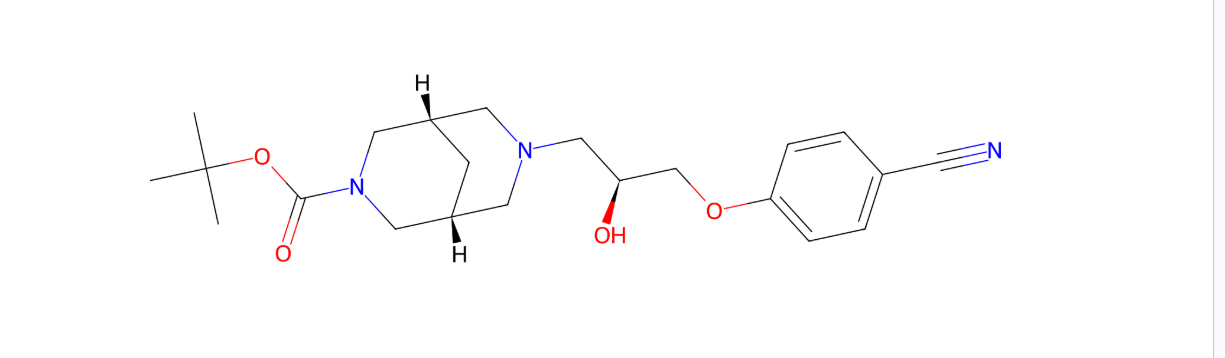
ADEKALANT
Generic Name: ADEKALANT
ABSTRACT -
Adekalant, also known as H 345/52, is an investigational antiarrhythmic small molecule and potassium-channel blocker. It has been described as a repolarization-delaying agent that blocks hERG/IKr currents with comparatively low proarrhythmic activity in preclinical studies. It is not a routine approved antiarrhythmic medicine and should be considered investigational.
DOSAGE -
An approved, universally established dosage regimen is not available for this investigational or limited-use substance.
- Administration, dose level, schedule, and treatment duration should follow the applicable cardiology research or clinical-trial protocol.
- Dose escalation, dose interruption, and discontinuation should be determined only by the investigator or treating specialist.
- Do not use for self-medication or outside an approved protocol, prescription, or specialist-supervised setting.
- Monitoring should include clinical assessment and laboratory testing appropriate to the drug class and patient condition.
SIDE EFFECTS–
Reported or potential side effects may include:
- Dizziness
- Headache
- Palpitations
- Slow or irregular heartbeat
- Low blood pressure
- Nausea
- Fatigue
- QT interval prolongation
- Ventricular arrhythmia risk
- Syncope
- Electrolyte-related arrhythmia risk
- Rash
- Allergic or hypersensitivity reactions
ALLRGIC REACTIONS–
(These symptoms may indicate an allergic reaction to the drug.)
- Skin rash
- Itching
- Hives
- Swelling of face, lips, tongue, or throat
- Difficulty breathing
- Wheezing
- Severe dizziness
- Rapid heartbeat
- Chest tightness
- Anaphylaxis
- Severe hypersensitivity reactions
DRUG INTERACTIONS–
The full drug-interaction profile has not been completely established. Use caution with:
- Other QT-prolonging medicines such as class Ia or class III antiarrhythmics, macrolides, fluoroquinolones, antipsychotics, or certain antidepressants
- Medicines causing hypokalemia or hypomagnesemia such as diuretics or laxative overuse
- CYP-metabolized cardiovascular medicines if protocol identifies a metabolic interaction
- Bradycardia-producing agents such as beta-blockers, digoxin, or non-dihydropyridine calcium channel blockers
- Other investigational medicines or therapies used in the same protocol
- Medicines that increase the risk of overlapping organ toxicity
- Immunosuppressive, anticancer, antiviral, cardiovascular, or neurologic medicines when clinically relevant
- Herbal products and supplements with uncertain pharmacologic effects
PREAUTIONS–
- Obtain baseline ECG and electrolytes when clinically appropriate.
- Use caution in patients with congenital long-QT syndrome, bradycardia, heart block, heart failure, ischemic heart disease, electrolyte abnormalities, or renal/hepatic impairment.
- Monitor ECG, potassium, magnesium, calcium, heart rate, and symptoms of arrhythmia as directed.
- Use only in settings where qualified healthcare professionals can assess eligibility, monitor response, and manage adverse reactions.
- Review baseline medical history, organ function, concomitant medicines, pregnancy status, and allergy history before use.
- Monitor clinical symptoms and laboratory values as directed by the clinical protocol or treating specialist.
- Use caution in patients with severe hepatic, renal, cardiovascular, infectious, immune, or neurologic disease unless specifically allowed by protocol.
- Use during pregnancy or breastfeeding only if the potential benefit justifies the potential risk and as directed by a physician.
- Safety and effectiveness in pediatric patients may not be established unless specifically studied.
WARNINGS –
- Potassium-channel blockers can prolong repolarization and may trigger serious ventricular arrhythmias in susceptible patients.
- Syncope, severe dizziness, palpitations, chest pain, or documented QT prolongation requires urgent medical evaluation.
- This medicine is investigational or has limited publicly established clinical-use information; safety, efficacy, optimal dose, and routine clinical role may not be fully established.
- It should not be used for self-medication or substituted for an approved therapy unless directed by a qualified specialist or clinical-trial investigator.
- Treatment should be discontinued and urgent medical care sought if severe allergic reaction, severe adverse reaction, or clinical deterioration is suspected.
- Use only under medical supervision in an appropriate specialist or clinical-trial setting.
- Keep out of reach of children.
- In case of overdose or severe adverse reaction, seek immediate emergency medical attention.
Share on -


 . Developed by