

Filter By Category
Archives
Share on -


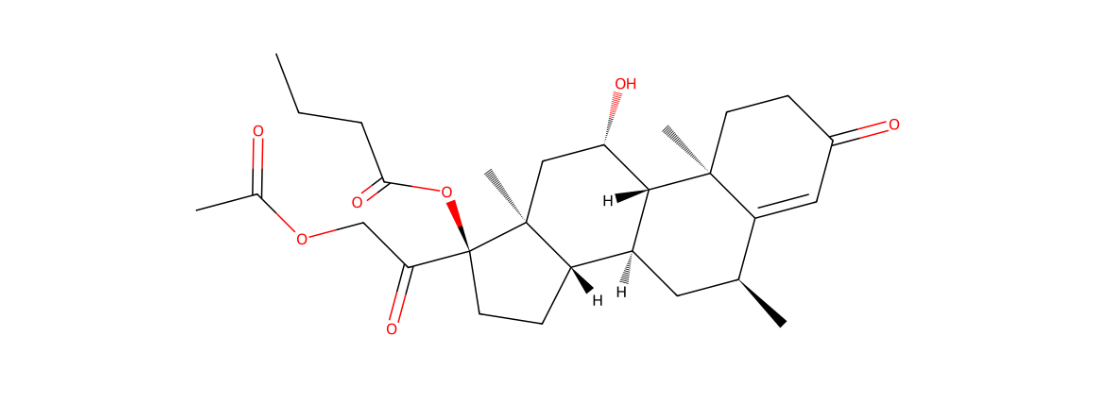
AMEBUCORT
Generic Name: AMEBUCORT
ABSTRACT -
Amebucort (ZK-90999) is a synthetic glucocorticoid corticosteroid that was investigated for anti-inflammatory and antiallergic steroid activity but was not marketed as a standard medicine. Like other glucocorticoids, its expected pharmacology is glucocorticoid receptor activation with suppression of inflammatory mediators, cytokine production, and local immune-cell activation. Clinical experience is limited.
This document is for structured API information only. It is not a prescribing guide. Clinical use, if any, must follow the approved local label, trial protocol, and specialist medical supervision.
DOSAGE -
Dosage should be determined only by a qualified healthcare professional.
- No approved dosing schedule is available because amebucort was not marketed.
- Any topical, ophthalmic, inhaled, or systemic research use would require an authorized protocol.
- Avoid unsupervised use because corticosteroid potency, tissue absorption, and systemic effects may vary.
SIDE EFFECTS–
Possible side effects and safety concerns include:
- Local burning, stinging, dryness, or irritation if applied to skin
- Acneiform eruption, folliculitis, pigment change, or contact dermatitis
- Skin thinning, striae, telangiectasia, or delayed wound healing with prolonged exposure
- Secondary infection or masking of infection
- Systemic corticosteroid effects such as hyperglycaemia, fluid retention, mood changes, and adrenal suppression if absorbed.
ALLRGIC REACTIONS–
Hypersensitivity to Amebucort or related compounds/products may occur. Symptoms may include:
- Contact dermatitis
- Rash or itching
- Urticaria
- Facial or throat swelling
- Severe allergic reaction symptoms
Important: Patients who develop an allergic reaction to Amebucort should seek immediate medical attention and inform all future healthcare providers of the allergy.
DRUG INTERACTIONS–
Amebucort may interact with certain medicines, vaccines, protocols, or clinical conditions. Caution is needed with:
- Other corticosteroids may increase cumulative steroid exposure.
- Immunosuppressants may increase infection risk.
- Strong CYP3A inhibitors may increase systemic corticosteroid exposure if meaningful absorption occurs.
- Vaccines may be less effective during significant systemic corticosteroid exposure.
Patients should inform healthcare providers about all prescription medicines, over-the-counter medicines, herbal products, vaccines, and supplements they are using.
PREAUTIONS–
- Avoid use on infected, ulcerated, or broken skin unless specifically directed.
- Limit duration, potency, occlusion, and treated surface area if used experimentally.
- Monitor children carefully because systemic absorption risk can be higher.
- Safety in pregnancy and lactation is not established.
WARNINGS –
Amebucort is not an approved marketed corticosteroid.
- Prolonged or high-potency corticosteroid exposure can cause skin atrophy and adrenal suppression.
- Do not use near the eyes unless directed by a clinician because of glaucoma/cataract risk with corticosteroids.
- Keep out of reach of children.
Share on -


 . Developed by